Follow us on Instagram
Try our free mini crossword
Listen to our podcast
Download the app

Archives

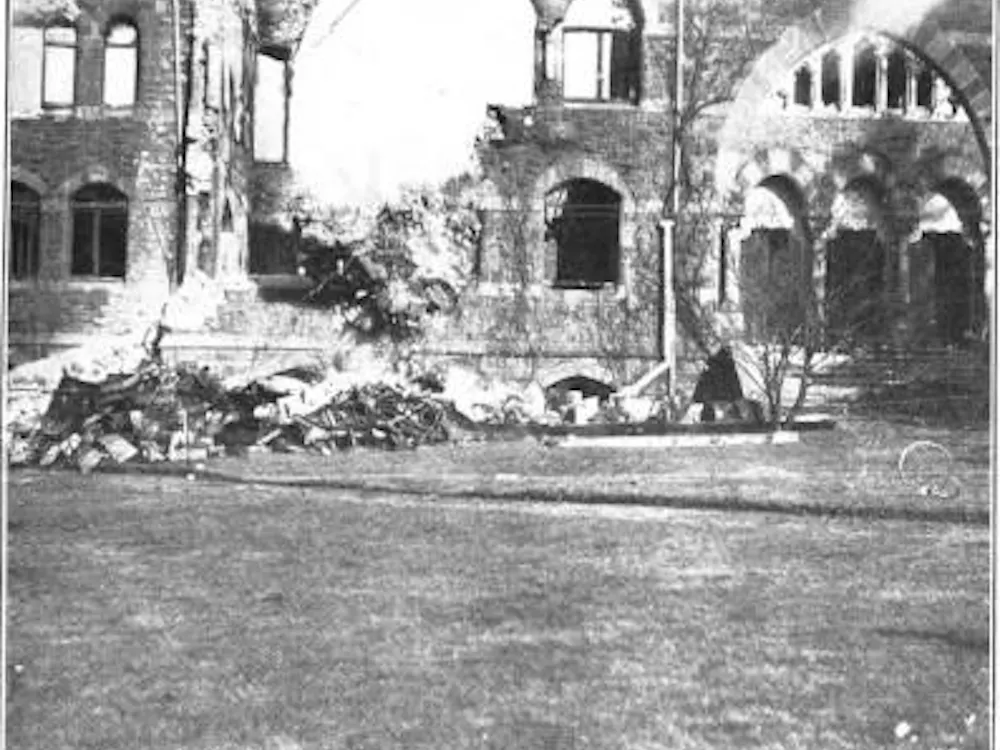
A black and white photograph of the High Victorian Gothic-style John C. Green School of Science with rubble at the base.

Today in History: A century-long tale of two buildings

Over the course of a century, two buildings lying next to the intersection of William Street and Washington Road changed from laboratories and classrooms for the natural sciences into a hub for the humanities and social sciences. Today, The ‘Prince’ revisits the story behind the construction and evolution of today’s Green Hall and the Julis Romo Rabinowitz Building.

Over the course of a century, two buildings lying next to the intersection of William Street and Washington Road changed from laboratories and classrooms for the natural sciences into a hub for the humanities and social sciences. Today, The ‘Prince’ revisits the story behind the construction and evolution of today’s Green Hall and the Julis Romo Rabinowitz Building.
ARCHIVES | May 12

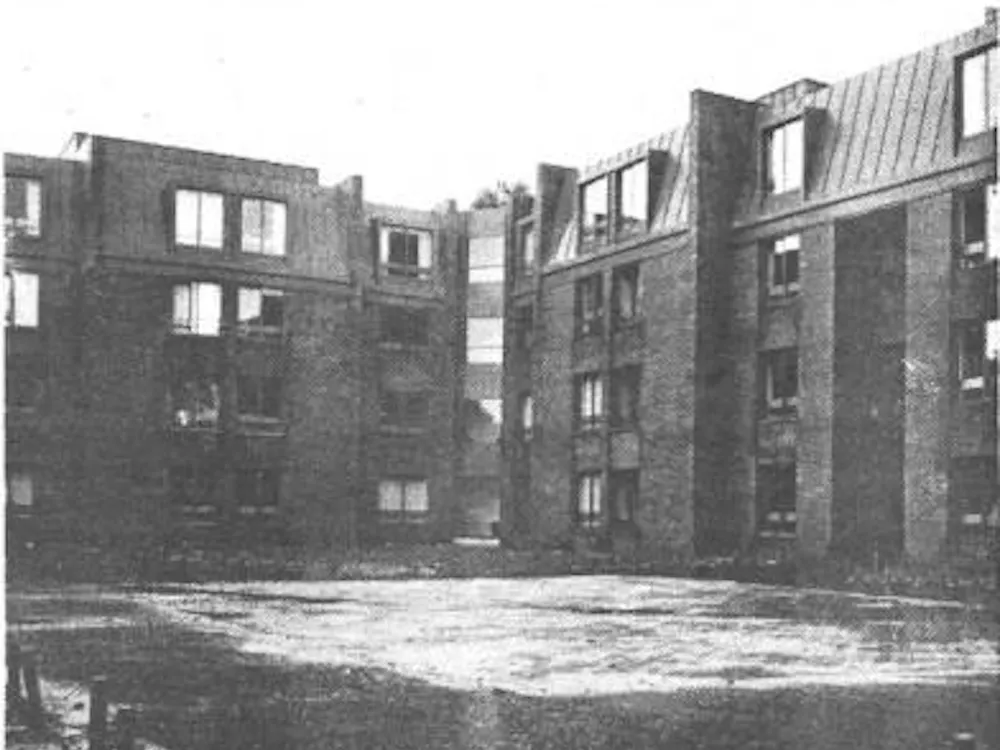
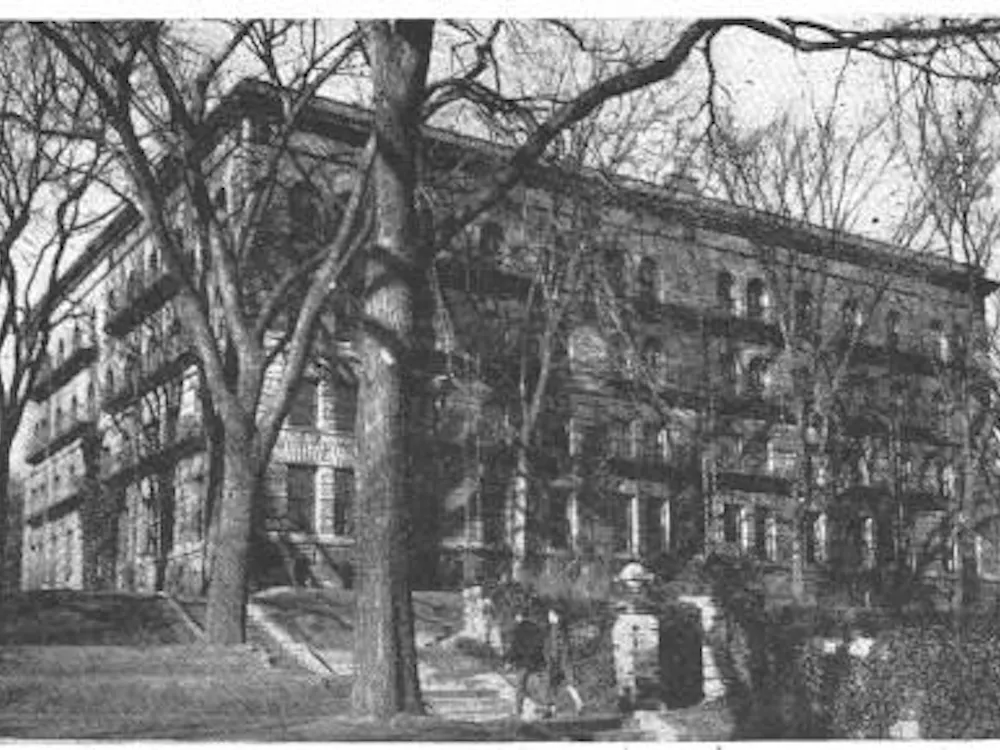
A black and white photograph of the edifice of Brown Hall, a square stone dormitory.

Today in History: How Princeton’s most notorious freshman dorm cleaned up its act

Beer cans, broken windows, and a heater thrown from an upper entry. Brown Hall’s freshman class of 1967 left a stain on Princeton’s disciplinary record. But, fifty years and one renovation later, few current residents know the story.

Beer cans, broken windows, and a heater thrown from an upper entry. Brown Hall’s freshman class of 1967 left a stain on Princeton’s disciplinary record. But, fifty years and one renovation later, few current residents know the story.

ARCHIVES | May 3

ADVERTISEMENT
A black and white photograph of a man and woman seated next to each other looking at their open books during a precept discussion.

This Week in History: The precept system’s introduction and enduring legacy

More than 120 years after its introduction, Princeton’s precept system continues to shape the undergraduate and graduate student experience. Despite its endurance as a pillar of the academic landscape at Princeton, the system is viewed as complicated by preceptors and students alike. 

More than 120 years after its introduction, Princeton’s precept system continues to shape the undergraduate and graduate student experience. Despite its endurance as a pillar of the academic landscape at Princeton, the system is viewed as complicated by preceptors and students alike. 

ARCHIVES | April 23

Where + Who the Girls Are - 3

Where the girls were, before they were at Princeton

Before Facebook, there were three ‘Prince’ dating guides that included everything Princeton men wanted to know about their counterparts at women’s colleges and universities across the country. 

Before Facebook, there were three ‘Prince’ dating guides that included everything Princeton men wanted to know about their counterparts at women’s colleges and universities across the country. 

ARCHIVES | April 15

A photograph of one of the original copies of the U.S. Constitution next to a copy of the Dunlap Broadside Declaration of Indepdence.

This Week in History: Protected against tyranny? The American executive from then to now

This week in history, in 1900, President Grover Cleveland gave a lecture on the modern U.S. Executive Branch. This week, in 2026, PUL’s newest exhibit will open featuring original copies of the Declaration of Independence, covering similar tensions of executive power and tyranny.

This week in history, in 1900, President Grover Cleveland gave a lecture on the modern U.S. Executive Branch. This week, in 2026, PUL’s newest exhibit will open featuring original copies of the Declaration of Independence, covering similar tensions of executive power and tyranny.

ARCHIVES | April 14

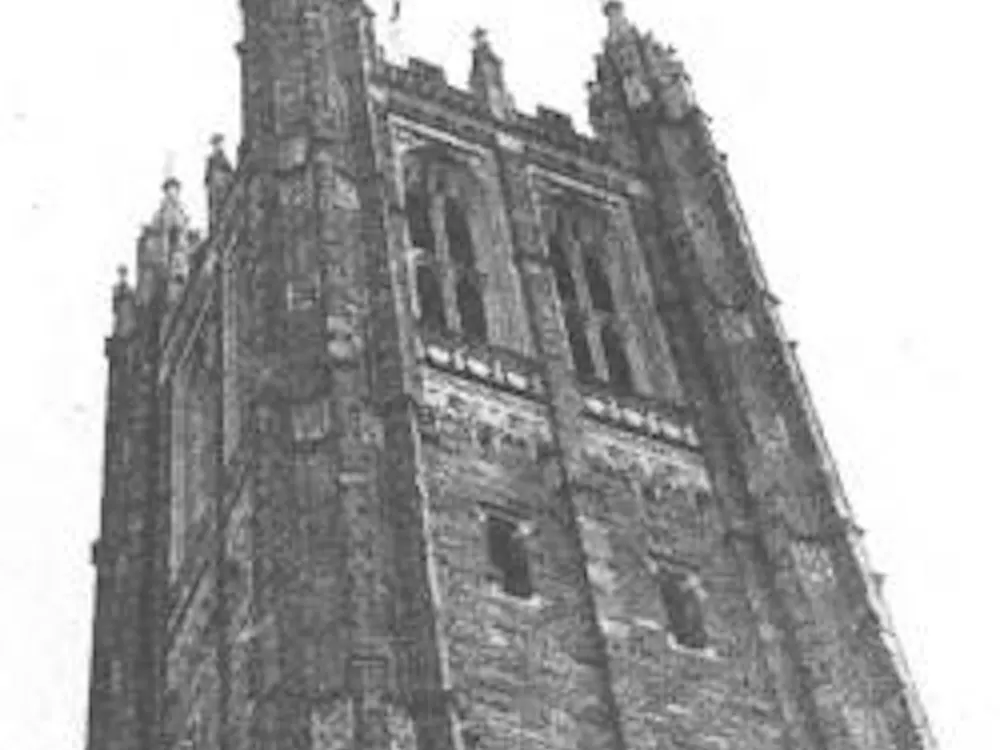
Black and white photograph of the top of Holder Tower, a tall gothic tower made of grey stone that is a part of Rockefeller College.

This Week in History: An Elaborate (And Noisy) April Fools Prank

This week in history, in 1977, The Daily Princetonian published an article covering an April Fools’ Day prank executed by members of WPRB. The tricksters played recorded tapes of a carillon from speakers within Holder Tower, leaving students confused about how bells rang from within the tower, which ordinarily stood silent, looming over the northwest corner of campus. 

ARCHIVES | April 6

TWIH: When a Segregationist Advocacy Group Voted for A Black Vice President

This Week in History: When a segregationist advocacy group voted for a Black vice president

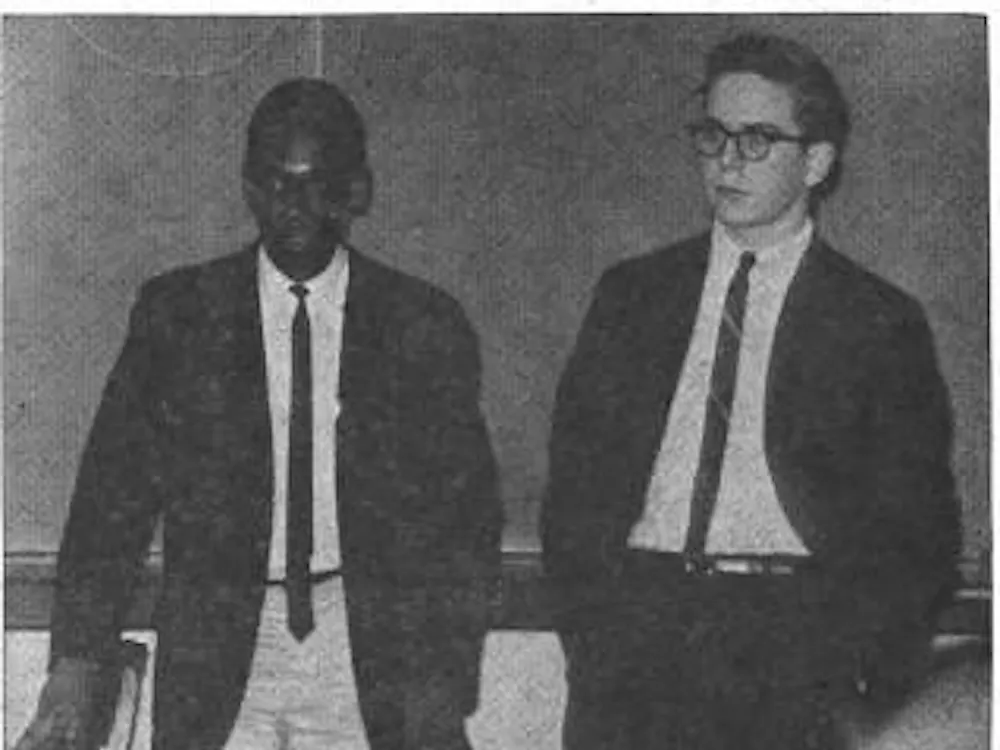
In 1964, the University found itself home to a new student group on campus: the “Committee for Racial Reconciliation.” The group, originally committed to advocating for racial segregation, during its short-lived, eight-month existence, was usurped by integrationists, ending under the leadership of a Black vice president.

ARCHIVES | March 23

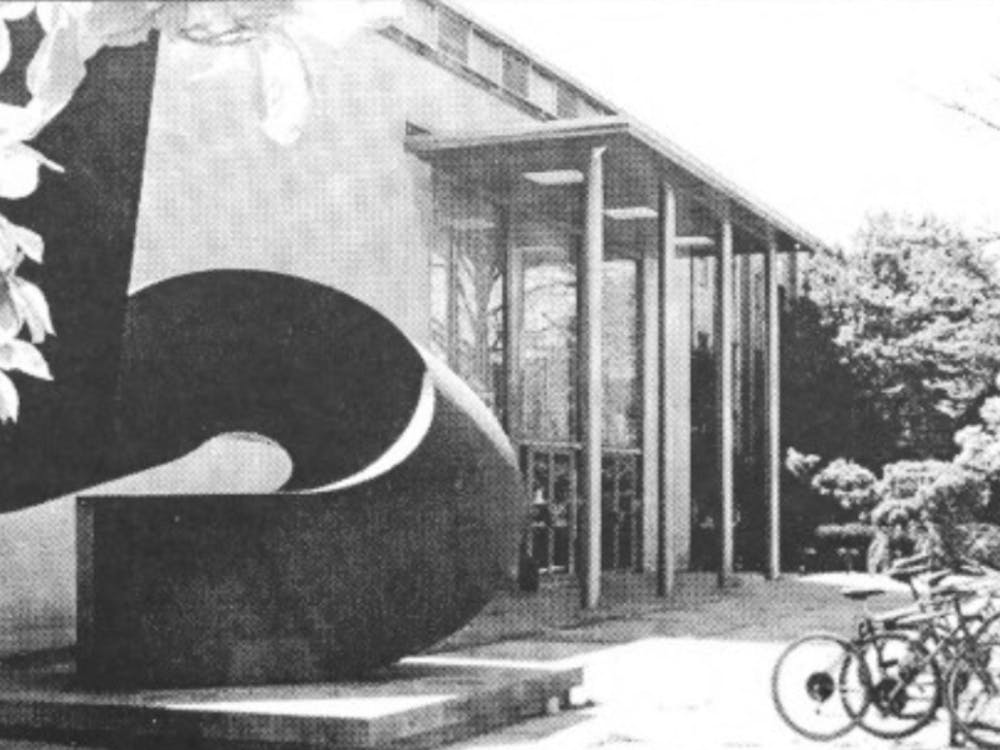
A black and white photograph of the entrance to the E-Quad with bikes parked in front and the “Uroda” statue by Ursula von Rydingsvard.

This Week in History: Engineers and the E-Quad of the Past and Present

This week in history, the ‘Prince’ looks back on the “cultural mecca” for those with an engineering mind: the E-Quad and the students that inhabit the space. Walking out of Fitzrandolph gates with a Bachelor of Science in Engineering, a 1999 article explores how these students’ experiences differed from A.B. liberal arts and from each other.

ARCHIVES | March 1

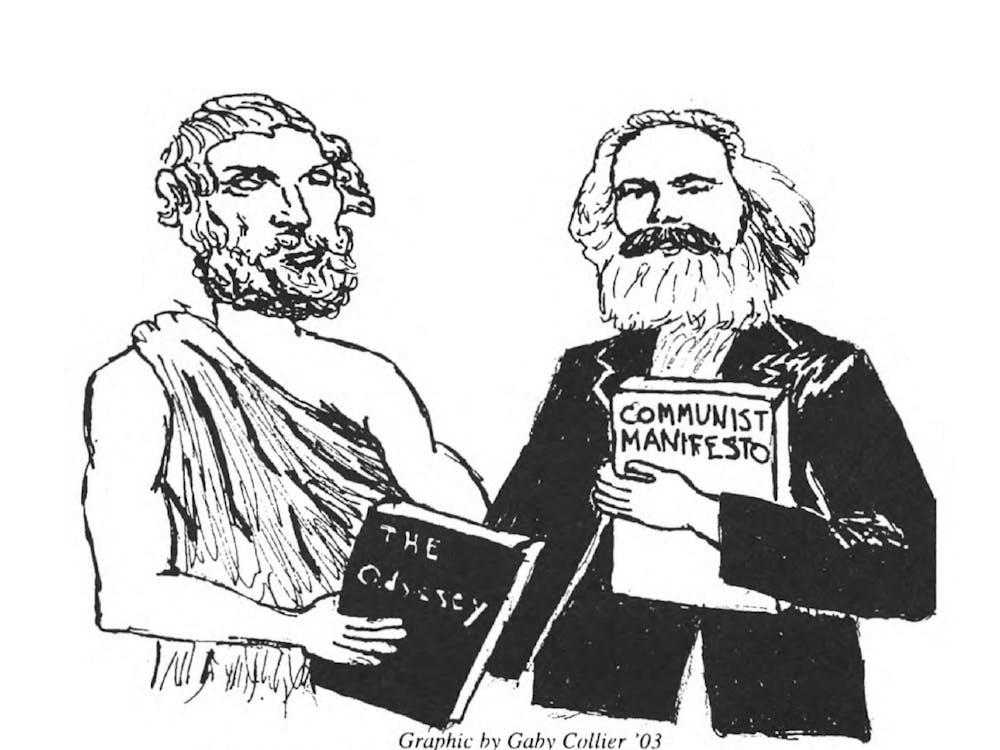
An illustration of Homer in a tunic holding The Odyssey next to Karl Marx holding The Communist Manifesto.

This Week in History: Debating the role of interdisciplinary humanities in a Princeton education

In February 1937, a series of letters to The Daily Princetonian’s editor responded to a student proposal of a “What-Every-Young-Graduate-Should-Know” or “quintessence-of-culture” course for undergraduates. The proposed program, redolent of the present-day HUM Sequence, raised questions about the role of the liberal arts and the fundamental mission of college education.

In February 1937, a series of letters to The Daily Princetonian’s editor responded to a student proposal of a “What-Every-Young-Graduate-Should-Know” or “quintessence-of-culture” course for undergraduates. The proposed program, redolent of the present-day HUM Sequence, raised questions about the role of the liberal arts and the fundamental mission of college education.

ARCHIVES | February 23

A black and white photograph of a person bending over and arranging bouquets of flowers outside of a storefront. A sign above the bouquets reads “Happy Valentine’s Day.”

This Week in History: Court your crush, don’t crush the postman

This Week in History, we remember when postmen stumbled into The Daily Princetonian Newsroom on Valentine’s Day in 1928, succumbing to the weight of all the love letters sent by Princeton men. Today, Princetonians send their affections in more unconventional ways, using student initiatives to celebrate the day.

This Week in History, we remember when postmen stumbled into The Daily Princetonian Newsroom on Valentine’s Day in 1928, succumbing to the weight of all the love letters sent by Princeton men. Today, Princetonians send their affections in more unconventional ways, using student initiatives to celebrate the day.

ARCHIVES | February 17

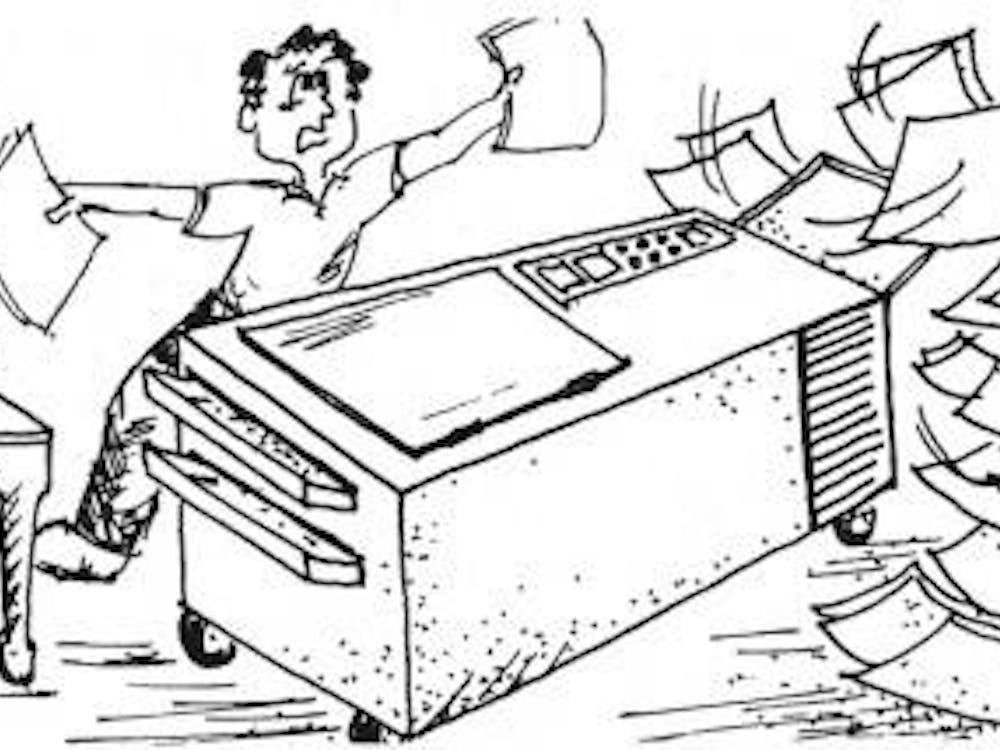
Black and white cartoon of a man struggling to contain papers flying around a photocopier.

This Week in History: Grades Lost in Transit

While submitting an essay today often simply involves sending an email or hitting submit on Canvas, this wasn't always the case. This week in history, the ‘Prince’ explores an incident from 1985 in which a German professor lost his students’ final papers, and left University officials scrambling to find a satisfactory way to assign final grades to the students involved.

While submitting an essay today often simply involves sending an email or hitting submit on Canvas, this wasn't always the case. This week in history, the ‘Prince’ explores an incident from 1985 in which a German professor lost his students’ final papers, and left University officials scrambling to find a satisfactory way to assign final grades to the students involved.

ARCHIVES | February 10

An old black and white advertisement for a barbershop. It says "Good-bye, Princetonianian! We'll be the first to welcome you back!" on the left and has a sketch of a barber doing a man's hair is on the right.

This Week in History: The ‘Prince’ Wartime Swan Song

The Daily Princetonian takes pride in being Princeton’s only independent, daily campus newspaper. But what happens when war gets in the way? From 1943–1946, the ‘Prince’ closed its doors out of wartime necessity, and the University took over the job of relaying campus news to students.

The Daily Princetonian takes pride in being Princeton’s only independent, daily campus newspaper. But what happens when war gets in the way? From 1943–1946, the ‘Prince’ closed its doors out of wartime necessity, and the University took over the job of relaying campus news to students.

ARCHIVES | February 2

A side-by-side comparison of the 127th and 128th editions of The Daily Princetonian online edition. A white and blue website with an orange navigation key compared to an orange, white, and blue website with an orange banner and navigation key.

This Week in History: Getting ready and getting to know the 128th Managing Board

Returning to campus after winter break marks a fresh start: a new semester, a new schedule, and, at The Daily Princetonian, a new managing board. This week in history, the ‘Prince’ explores the historical changing of the guard within its own ranks as the 128th Managing Board published its first issue in 2004 and introduced its aims for a new year of publication.

Returning to campus after winter break marks a fresh start: a new semester, a new schedule, and, at The Daily Princetonian, a new managing board. This week in history, the ‘Prince’ explores the historical changing of the guard within its own ranks as the 128th Managing Board published its first issue in 2004 and introduced its aims for a new year of publication.

ARCHIVES | January 27

Hoagie Haven Renee Cargill - 1

The rise and fall of Hoagie Haven

Hoagie Haven, the once popular late-night destination for Princeton students, has faded into a nostalgic memory. However, it remains a favorite of town residents and alumni. The Daily Princetonian dove deep into the origins, rise, and fall of ‘The Haven’ to ask: Where have all the hoagies gone?

Hoagie Haven, the once popular late-night destination for Princeton students, has faded into a nostalgic memory. However, it remains a favorite of town residents and alumni. The Daily Princetonian dove deep into the origins, rise, and fall of ‘The Haven’ to ask: Where have all the hoagies gone?

ARCHIVES | December 4