Follow us on Instagram
Try our free mini crossword
Listen to our podcast
Download the app

Opinion

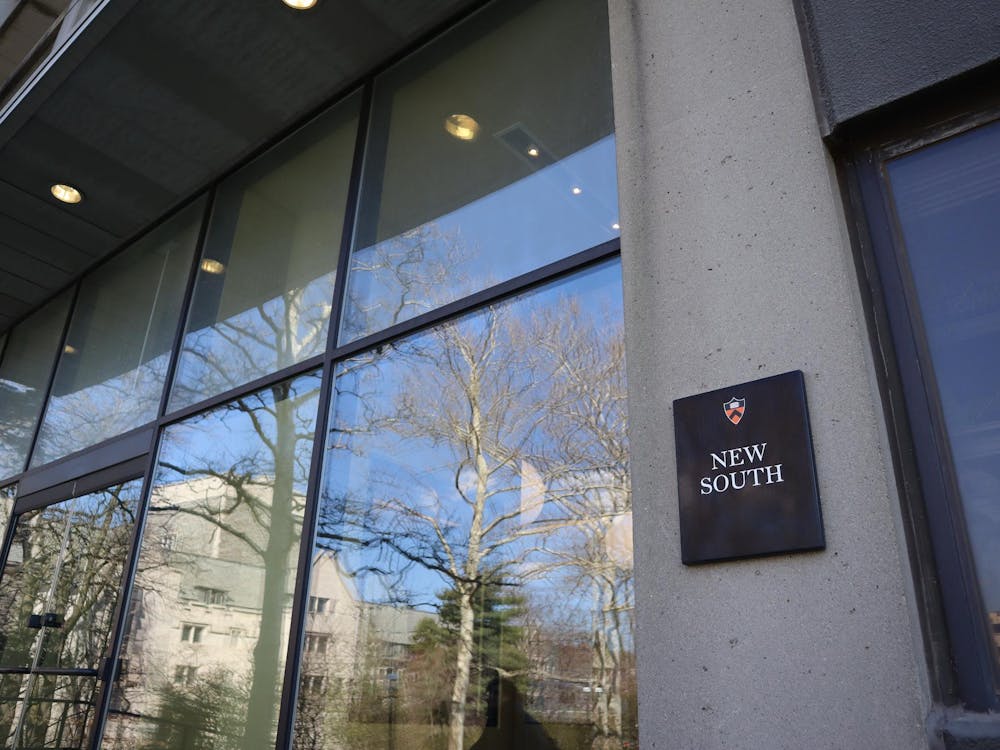
A photo of the entrance of the Princeton Engineering Quadrangle.

Humanities lag behind STEM in AI policy. They must catch up.

AI is useful in the humanities: in literature, it can identify trends across centuries with textual analysis, analyze emotional states, and handle routine tasks. Instead of an outright ban, humanities scholars and social scientists should recognize where AI can be constructive by building on human analysis instead of just being a shortcut.

AI is useful in the humanities: in literature, it can identify trends across centuries with textual analysis, analyze emotional states, and handle routine tasks. Instead of an outright ban, humanities scholars and social scientists should recognize where AI can be constructive by building on human analysis instead of just being a shortcut.

OPINION | February 2

ca6065b0-1b6c-4d49-af12-eed532e97c5b.original.JPG

A case for the Whig-Clio senate

As a community, Princetonians — especially politically engaged Princetonians — must commit to defending our positions and challenging our ideologies through civil discourse. And the Whig-Clio senate is where that commitment can start.

As a community, Princetonians — especially politically engaged Princetonians — must commit to defending our positions and challenging our ideologies through civil discourse. And the Whig-Clio senate is where that commitment can start.

OPINION | January 29

829723c1-f5b0-4a31-8449-53d65ec2d908.original.jpg

Why the Honor Code doesn’t work

Princeton should work toward implementing an honor code that is integral to student identity, not just a perfunctory pledge that we memorize and write on the first page of our exams.

Princeton should work toward implementing an honor code that is integral to student identity, not just a perfunctory pledge that we memorize and write on the first page of our exams.

OPINION | January 28

eisgruber-cpuc.jpg

By the way, on Feb. 9, you can ask President Eisgruber anything

A question for Eisgruber about dining, divestment, international student protections, research funding, mental health, or any of the many other issues facing our community has the chance, however small, to prompt an actual change in the University’s course of action over the coming year.

A question for Eisgruber about dining, divestment, international student protections, research funding, mental health, or any of the many other issues facing our community has the chance, however small, to prompt an actual change in the University’s course of action over the coming year.

OPINION | January 28

Nassau Hall

Federal agents killed two civilians. Princeton must speak up, not remain silent.

The University must speak out against the threat of ICE: it poses a genuine risk to our community, and represents an unapologetic governmental disregard for free speech that directly violates the very principles on which Princeton stakes itself as a defender of discourse.

The University must speak out against the threat of ICE: it poses a genuine risk to our community, and represents an unapologetic governmental disregard for free speech that directly violates the very principles on which Princeton stakes itself as a defender of discourse.

OPINION | January 25

Newsroom box.jpg

Why Princeton needs opinion journalism

Engaging with Opinion — whether through reading or writing — brings you into closer contact with campus discourse. Just as news reporters provide unbiased coverage on campus developments, we work to communicate to our readers what these events mean for their lives, and how current campus issues might intersect with their own values and roles in the community. 

Engaging with Opinion — whether through reading or writing — brings you into closer contact with campus discourse. Just as news reporters provide unbiased coverage on campus developments, we work to communicate to our readers what these events mean for their lives, and how current campus issues might intersect with their own values and roles in the community. 

OPINION | January 18

ADVERTISEMENT
A grey stone tiger carved into the side of a building

PAW omits reporter’s Supreme Court appeal — at the cost of journalistic principle

By publishing Sittenfeld’s profile of Park without noting his interests before the Supreme Court, PAW neglected its journalistic duty to alert its readers when a writer cannot fairly cover a story.

By publishing Sittenfeld’s profile of Park without noting his interests before the Supreme Court, PAW neglected its journalistic duty to alert its readers when a writer cannot fairly cover a story.

OPINION | January 5

IMG_9349.jpg

Don’t trust your campus paper? Here’s the case.

In a moment of crisis, a trusted student newspaper transforms from an everyday service to a lifeline. Even when national outlets swoop in to cover a tragedy or an encampment, student reporters can provide deep sourcing and unique insight into the happenings on the ground.

In a moment of crisis, a trusted student newspaper transforms from an everyday service to a lifeline. Even when national outlets swoop in to cover a tragedy or an encampment, student reporters can provide deep sourcing and unique insight into the happenings on the ground.

OPINION | December 31

Four individuals stand with their backs to the camera wearing graduation robes in front of a large white banner

Nominate your lecturers for the President’s Award for Distinguished Teaching

Nominations for the award are due to the Office of the Dean of the Faculty (padt[at]princeton.edu) by Feb. 6, 2026. I will be sending in my nominations for my favorite lecturers and other faculty, and I hope you will too.

Nominations for the award are due to the Office of the Dean of the Faculty (padt[at]princeton.edu) by Feb. 6, 2026. I will be sending in my nominations for my favorite lecturers and other faculty, and I hope you will too.

OPINION | December 19

A large, ivy-covered building looms in front of the camera. Benches and bike racks are outside.

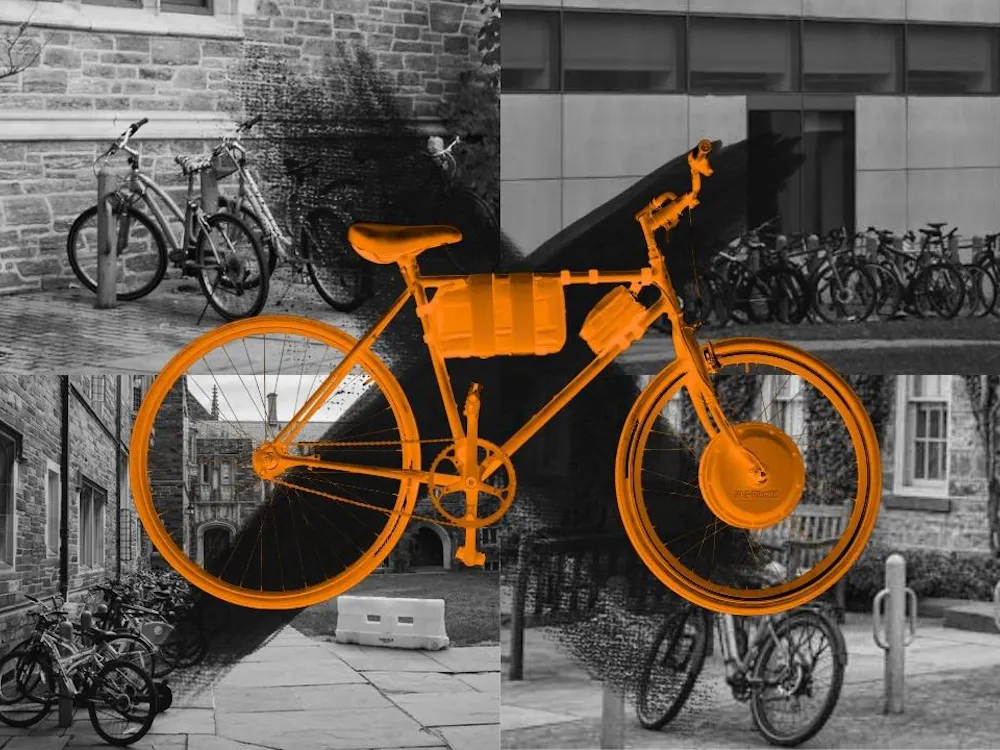
I don’t want to get run over by an e-bike

At its next meeting, Princeton’s Environmental Safety and Risk Management (ESRM) committee will consider a change to the University’s current e-bike policy. Due to the risk they pose to pedestrians and riders on campus, the ESRM committee must ban e-bikes once and for all when we get back from winter break.

At its next meeting, Princeton’s Environmental Safety and Risk Management (ESRM) committee will consider a change to the University’s current e-bike policy. Due to the risk they pose to pedestrians and riders on campus, the ESRM committee must ban e-bikes once and for all when we get back from winter break.

OPINION | December 18

The Dinky

$10 train tickets are on the right track, but they’re not enough

The enthusiasm around USG’s ticket giveaway proves that students want change. The challenge now is to move from demands to policies. The University should implement systematic ticket stipends for students.

The enthusiasm around USG’s ticket giveaway proves that students want change. The challenge now is to move from demands to policies. The University should implement systematic ticket stipends for students.

OPINION | December 16

Several hundred people sit in a field.

Seniors deserve to know if their class jacket is AI-generated

By being willing to respond to reasonable demands for evidence, the 2026 Class Jacket Committee can set a standard of transparency and accountability, combating how irresponsible uses of AI undermines those values.

By being willing to respond to reasonable demands for evidence, the 2026 Class Jacket Committee can set a standard of transparency and accountability, combating how irresponsible uses of AI undermines those values.

OPINION | December 11

IMG_0792.jpg

Your professors aren’t out to get you

When students assume that grading is ideologically motivated and in bad faith — and when they choose to take these concerns straight to reactionary publications that have it out for higher education instead of engaging in productive dialogue with the members of the University community — our ability to have academically fulfilling conversations begins to slip away.

When students assume that grading is ideologically motivated and in bad faith — and when they choose to take these concerns straight to reactionary publications that have it out for higher education instead of engaging in productive dialogue with the members of the University community — our ability to have academically fulfilling conversations begins to slip away.

OPINION | December 4

A metal statue is in front of a large stone building with big windows and two arches at its entrance.

If I wanted to steal that book, I would just throw it out the window

Given that some books in Firestone’s stacks are worth over $1,000, and that not all library visitors are members of the University community, it is understandable that the University takes some security measures. But the bag check as practiced isn’t a serious attempt to find contraband. Getting rid of the checks would emphasize a new level of trust between library administration and visitors. 

Given that some books in Firestone’s stacks are worth over $1,000, and that not all library visitors are members of the University community, it is understandable that the University takes some security measures. But the bag check as practiced isn’t a serious attempt to find contraband. Getting rid of the checks would emphasize a new level of trust between library administration and visitors. 

OPINION | December 1

University President Christopher Eisgruber speaks at a podium in the Princeton University Art Museum's Grand Hall.

Terms of Respect defends student speech — but doesn’t respect it

Eisgruber characterizes student speech as practice, not real engagement. His one-dimensional view of students fails to account for our simultaneous existence within and outside of the Orange Bubble. But our speech, like us, is not confined to the Princeton community, and attempting to shield or protect students from the real world can underrate our participation in it.

Eisgruber characterizes student speech as practice, not real engagement. His one-dimensional view of students fails to account for our simultaneous existence within and outside of the Orange Bubble. But our speech, like us, is not confined to the Princeton community, and attempting to shield or protect students from the real world can underrate our participation in it.

OPINION | December 1

A photo of the arch between Dickinson Hall and the University Chapel: a high stone double gothic arch with a blue sky behind.

Don’t swipe left just because you disagree on politics

We should strive for more than just “common courtesy” for everyone to “feel safe” in the discussion. We should hold space for the possibility that the human being sitting across from us may be one of good values and would bring immense joy and growth into our lives as a close friend or partner.

We should strive for more than just “common courtesy” for everyone to “feel safe” in the discussion. We should hold space for the possibility that the human being sitting across from us may be one of good values and would bring immense joy and growth into our lives as a close friend or partner.

OPINION | December 1

170A8256.jpeg

Vote Colón Roosevelt ’27 for president: your guide to the winter 2025 USG ballot

The Daily Princetonian Editorial Board weighs in on the USG candidates up and down the ballot, including endorsing Quentin Colón Roosevelt ’27 for president. In his platform and responses to our questions, Colón Roosevelt focused on relevant issues and pathways through which USG can exercise power — both in ways that address inefficiencies and leverage existing structures and in ways that expand the current role of undergraduate student representation.

The Daily Princetonian Editorial Board weighs in on the USG candidates up and down the ballot, including endorsing Quentin Colón Roosevelt ’27 for president. In his platform and responses to our questions, Colón Roosevelt focused on relevant issues and pathways through which USG can exercise power — both in ways that address inefficiencies and leverage existing structures and in ways that expand the current role of undergraduate student representation.

OPINION | November 24