Q&A with Grace Sommers, Class of 2020 salutatorian
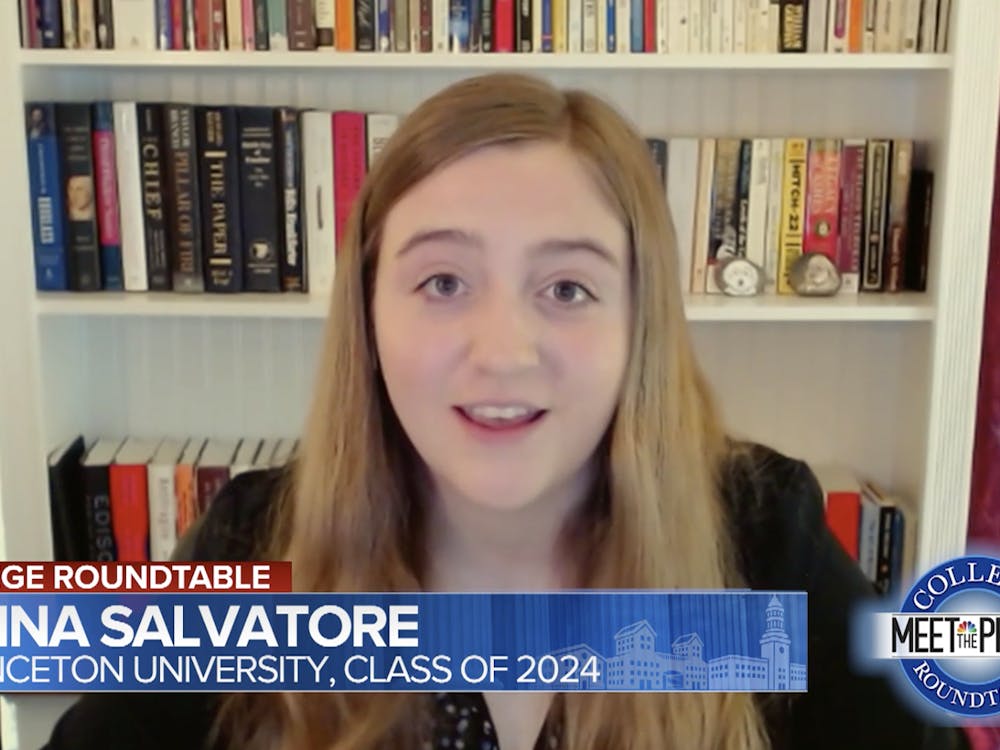
Paige AllenSommers said she looks forward to crafting her Latin-language commencement address — “maybe throwing in some jokes.”
Sommers said she looks forward to crafting her Latin-language commencement address — “maybe throwing in some jokes.”
Despite 97 fewer applicants applying compared to 2019, the transfer student acceptance rate of 1.4 percent is still nearly four times smaller than the 5.5 percent acceptance rate for the Class of 2024.
Bridge Year will be offered to the incoming Class of 2024, but most likely with a delayed start date to allow participants additional time to complete pre-departure tasks.
University officials considered “whether to postpone the beginning of the academic term until later in the fall or even until January,” but decided against such a decision.
The Udall Scholarship is a national scholarship awarded to sophomores and juniors focused on Native American studies or environmental studies. It is awarded, on average, to 55 students a year.
In an email addressed to the IIP student cohort on Tuesday, April 28, the organizing team explained that the office was working with existing partners to launch new virtual options. It will be up to the partner organization to determine if the internship can be completed remotely.
Princeton students have been using their time inside to hone their skills — TikTok dances, recipes, handstands, original music videos and plays — and develop new passions.
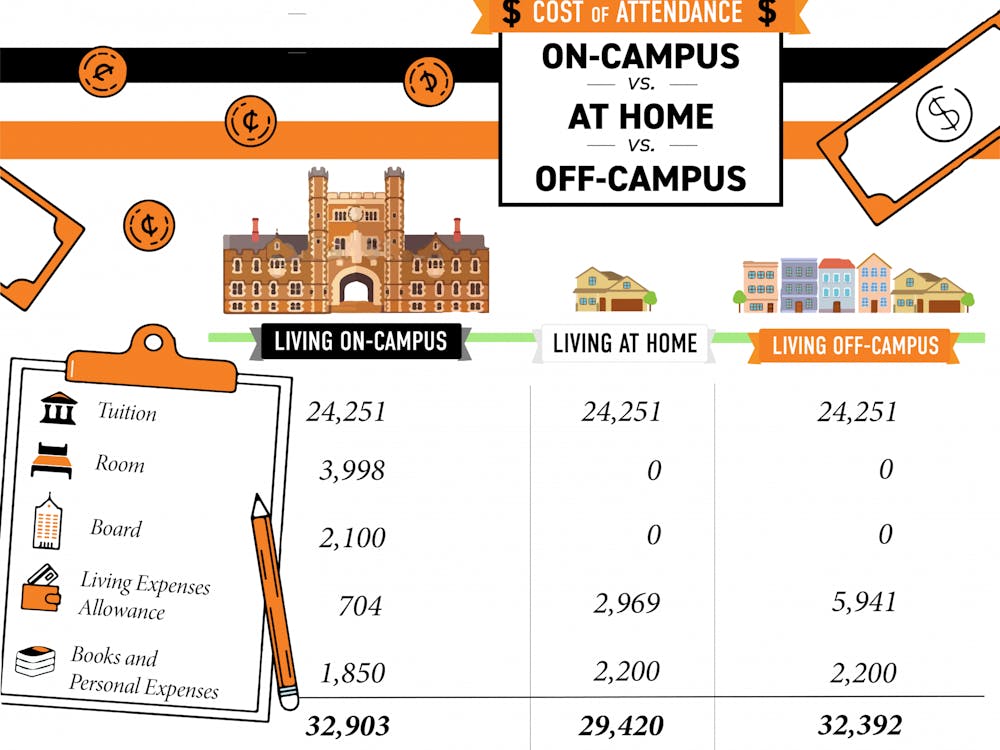
While the University substantially decreased rates, students in financial need reported difficulty meeting the cost amidst the pandemic.
Johnson and Sommers are set to speak at the virtual commencement ceremony, to be held on May 31, 2020. An in-person ceremony will follow in May 2021.
Insurance coverage on the University’s Student Health Plan (SHP) has been increased due to COVID-19, expanding both in and out of network coverage, in addition to telemedicine. While students appreciate the change, they feel the University could be more clear regarding the changes and the new policies.
“I’m glad they still tried to make it online and make the most of the situation, but I was definitely disappointed that we couldn’t go in person,” said Jasmine Zhang ’24 from Pennsylvania.
“All colleges and universities across the state of New Jersey, including Princeton, have been asked to consider providing dormitory space to support the state’s COVID-19 response,” noted Deputy Spokesperson Mike Hotchkiss.
“I think, in the face of hatred like this, it's really important to stand together as a community and continue doing what we do best,” said Fawaz Ahmad ’22, Muslim Student Association president and co-host of the meeting.
In lieu of an in-person ceremony, the University will “officially and enthusiastically” confer degrees on Sunday, May 31 — as scheduled — in a virtual ceremony.
This interactive graphic shows how many University students have class during typical sleep hours in their local time, defined as 12 a.m. to 8 a.m. The tool also calculates the number of students who now may have evening classes due to the time zone shift.
All clubs, all extracurriculars, have had to adjust not only their meetings and projects to make them possible remotely. And without performances, conferences, and competitions to attend, most student organizations face the same challenges — it seems there’s nothing for which to prepare, no reason to keep working.
“We want to bring our love and enthusiasm for Princeton [to] their computer screens,” Rachel Hazan ’21, Orange Key Co-Chair and Undergraduate Student Government (USG) Treasurer, wrote in an email to The Daily Princetonian.
The notice, sent at 7 a.m. on April 4, required students to move out by 5 p.m. that day in order for Housing and Building Services to clean the rooms.
University Health Services is now aware of 71 students and 25 employees who have been tested for COVID-19.
The New Jersey “stay at home” order includes an exception for “visiting family or other individuals with whom the resident has a close personal relationship, such as those for whom the individual is a caretaker or romantic partner.” University policy does not.