Love in the time of COVID-19
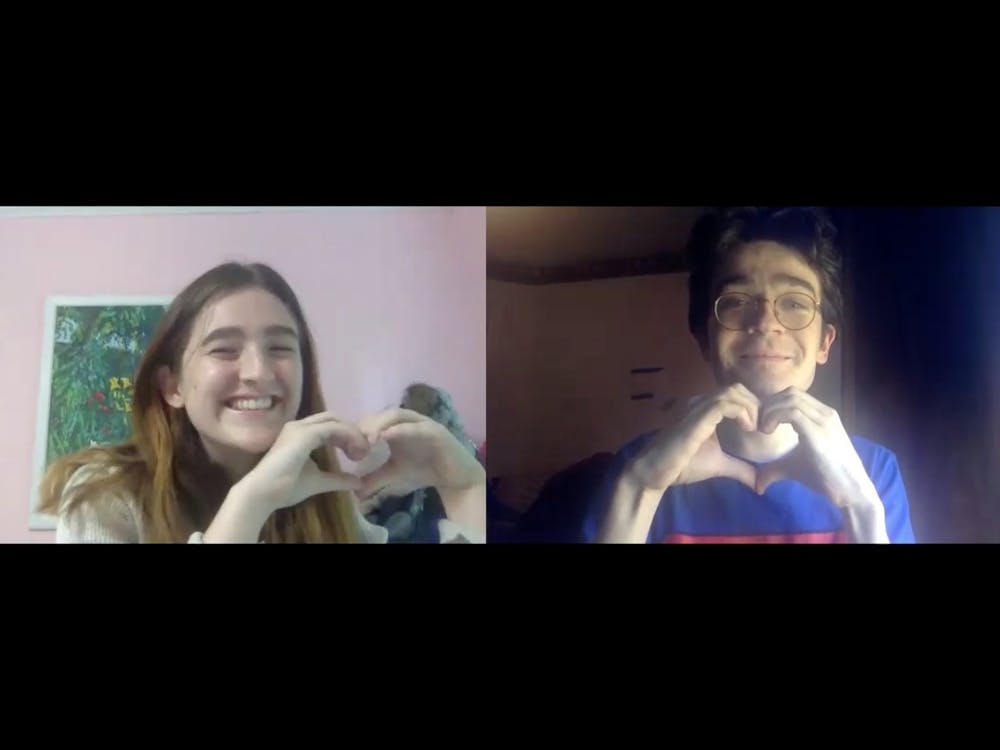
Tanvi Nibhanupudi“I’m a big-time hugger, especially when stuff goes wrong,” said Michal Kozlowski ’23. “And right now, I’m missing my big-time hug partner.”
“I’m a big-time hugger, especially when stuff goes wrong,” said Michal Kozlowski ’23. “And right now, I’m missing my big-time hug partner.”
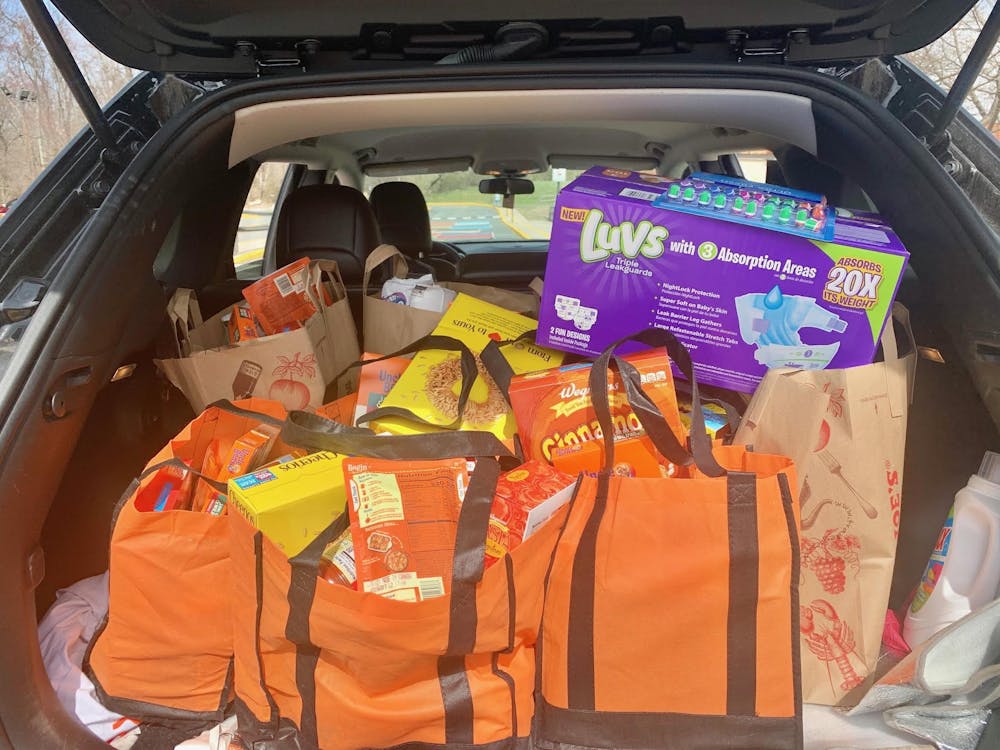
Undocumented immigrants are ineligible for state unemployment benefits and federal stimulus bill payouts. As the coronavirus pandemic — blind to citizenship status — continues to ravage communities, local organizations have stepped in to fill the void and aid families in need.
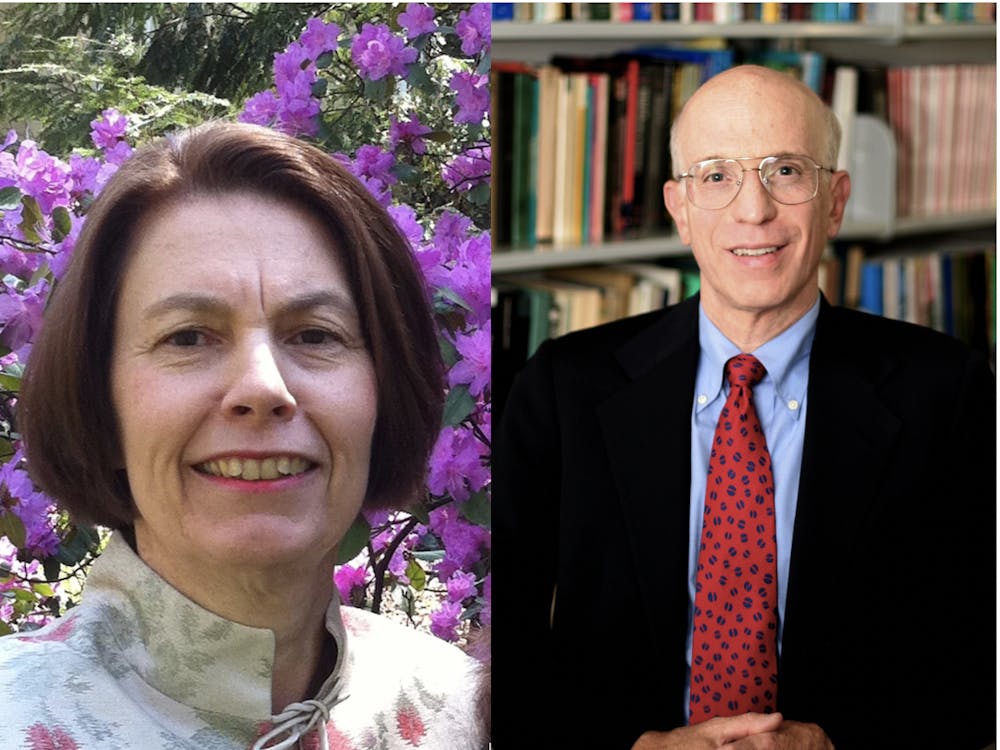
In this series, The Daily Princetonian sits down with University professors who study the same discipline but whose views on coronavirus diverge. We began by speaking separately with senior economics lecturer Elizabeth Bogan and professor of economics and public affairs Alan Blinder.
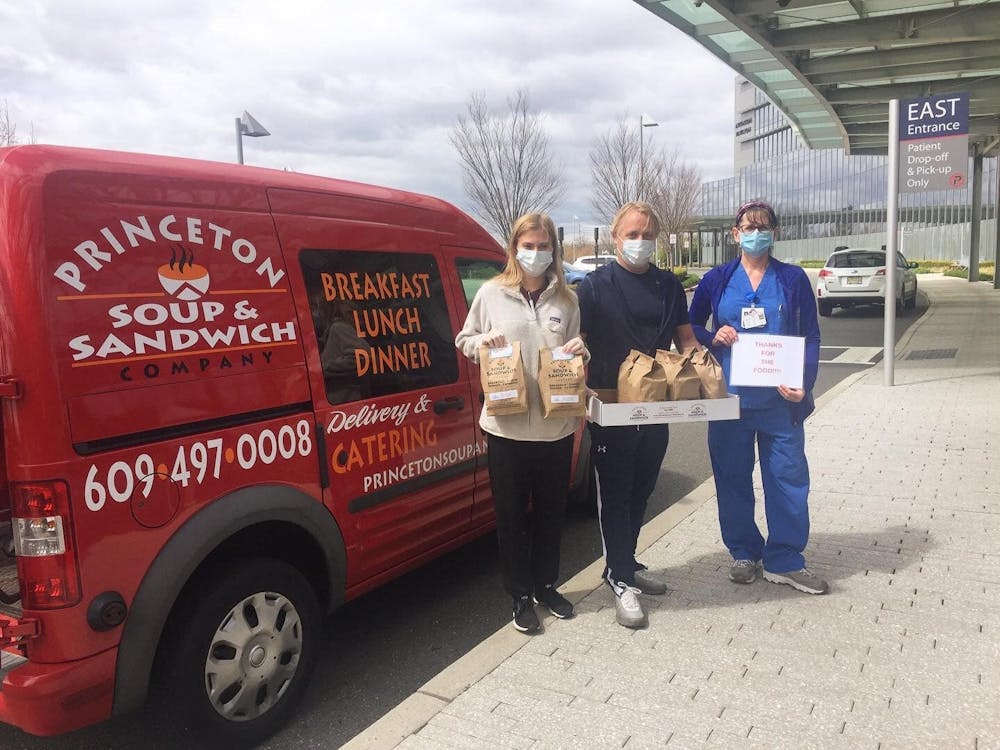
As a 12-year-old working at Princeton Soup & Sandwich Company, Alex Ruddy had many dreams for the future. Most of them included food; none of them included saving her family’s restaurant in the wake of a global pandemic.
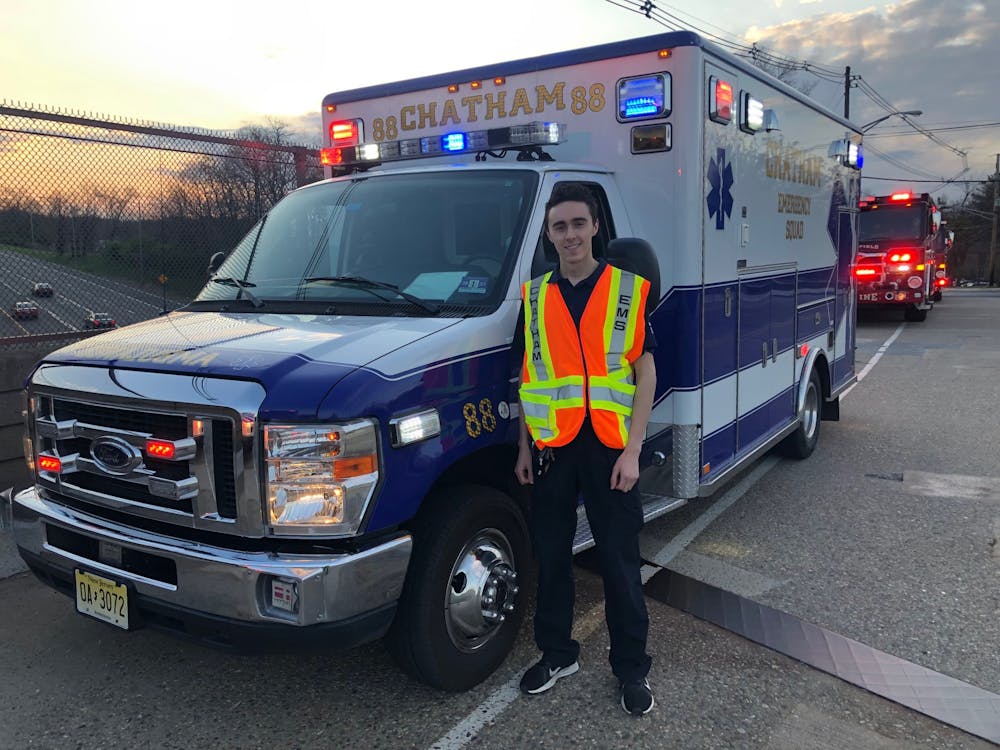
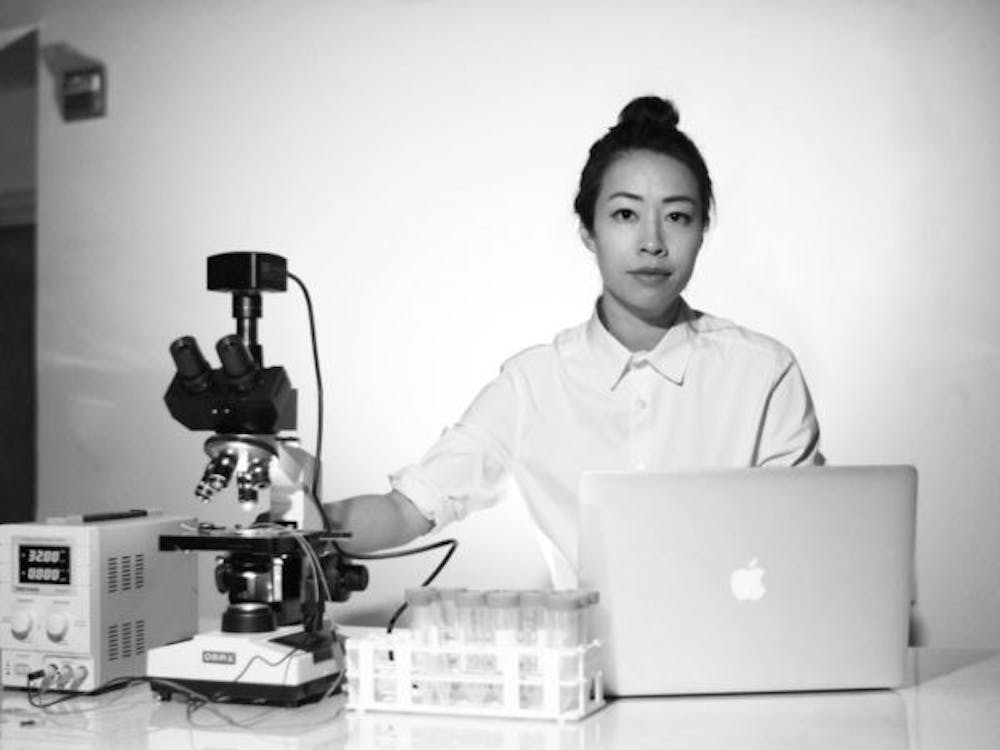
No matter the research, from measuring the virus’ surface stability to mapping the availability of key medical supplies, they share a common cause: to work in the nation’s service, and in the service of humanity.
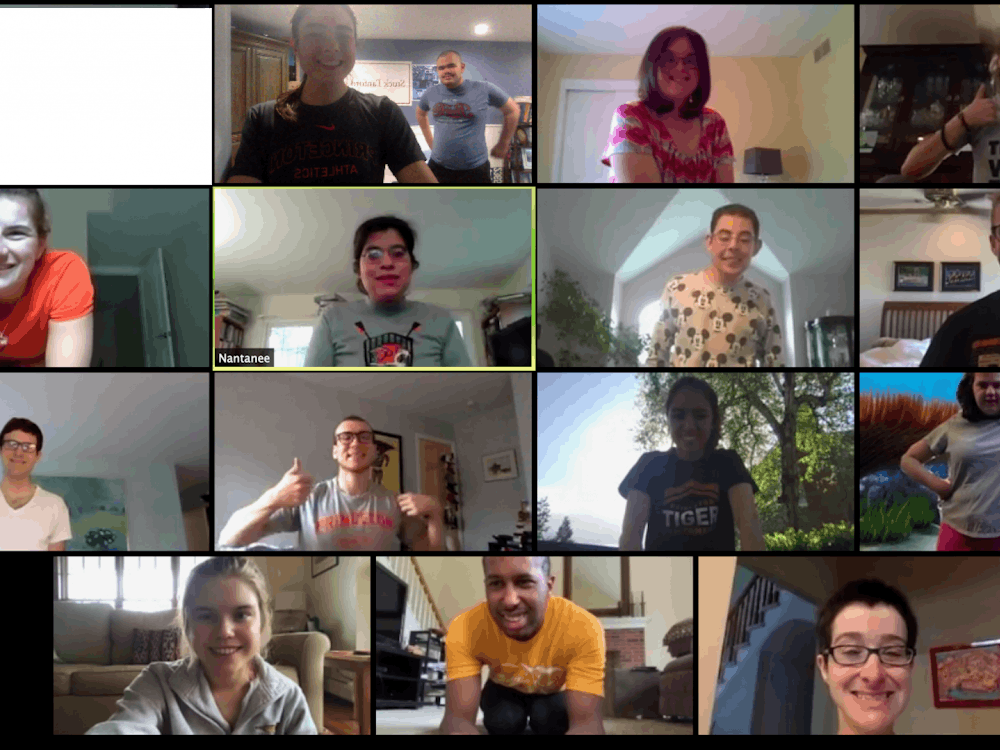
All clubs, all extracurriculars, have had to adjust not only their meetings and projects to make them possible remotely. And without performances, conferences, and competitions to attend, most student organizations face the same challenges — it seems there’s nothing for which to prepare, no reason to keep working.
The life of a Division I athlete is one of rigor and routine. Preseason. Competition season. Postseason. Repeat. The goal of a Division I athlete is to be game-ready, race-ready, match-ready by the time the season’s first whistle blows — and to be even better by the time the season’s last buzzer sounds. Two tweets in 25 hours and 18 minutes upended the rhythms, the lifestyles, and the dreams of 20 teams.
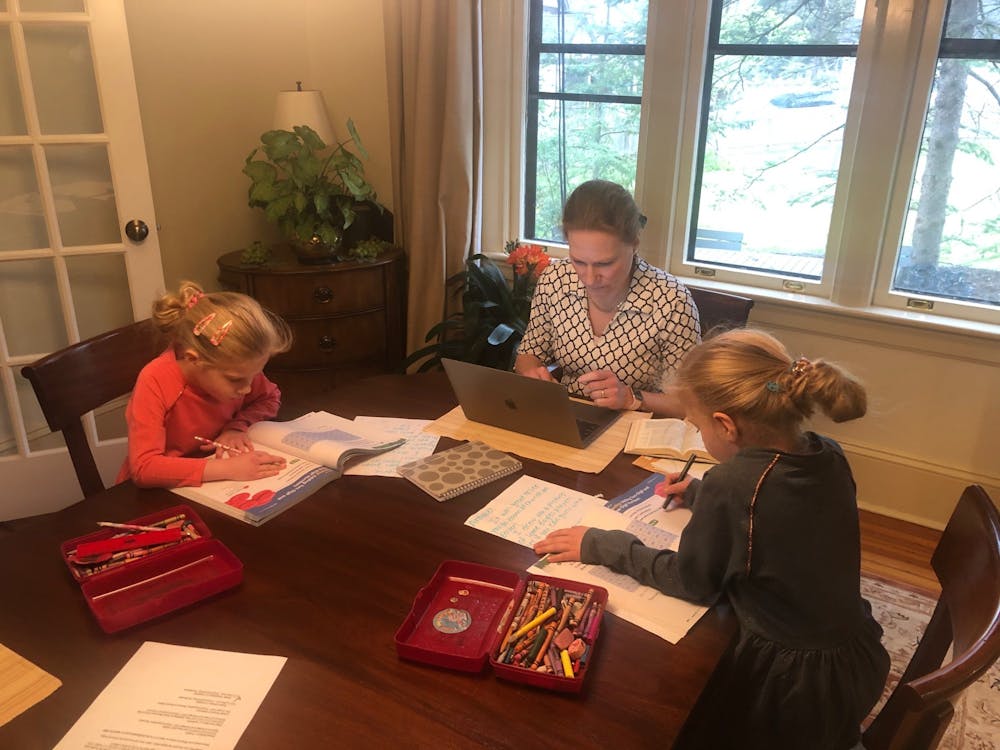
Five-year-old Izzy Lundgaard and her lifelong best friend, four-and-a-half year old Luna Meggers, discuss their career aspirations, marriage, and the dangers of black holes.
Dean of the College Jill Dolan announced that all students, save those who met the “strictest criteria” of need, had to return home and stay there. Missing from Dolan’s definition of need were students whose households endanger their safety and well-being. In recent weeks, such students have found themselves reeling — and relying on each other for support.
Three weeks and a pandemic ago, Bojan Lazarevic ’20 kept a regimented daily checklist. Do my fruit flies have enough food in their vials? Is their food too dry? Too wet? Are the flies healthy? Are they laying eggs? Then arrived the COVID-19 pandemic. And suddenly — like arts performances, like campus traffic, like study abroad programs — Lazarevic’s work came to a full stop.
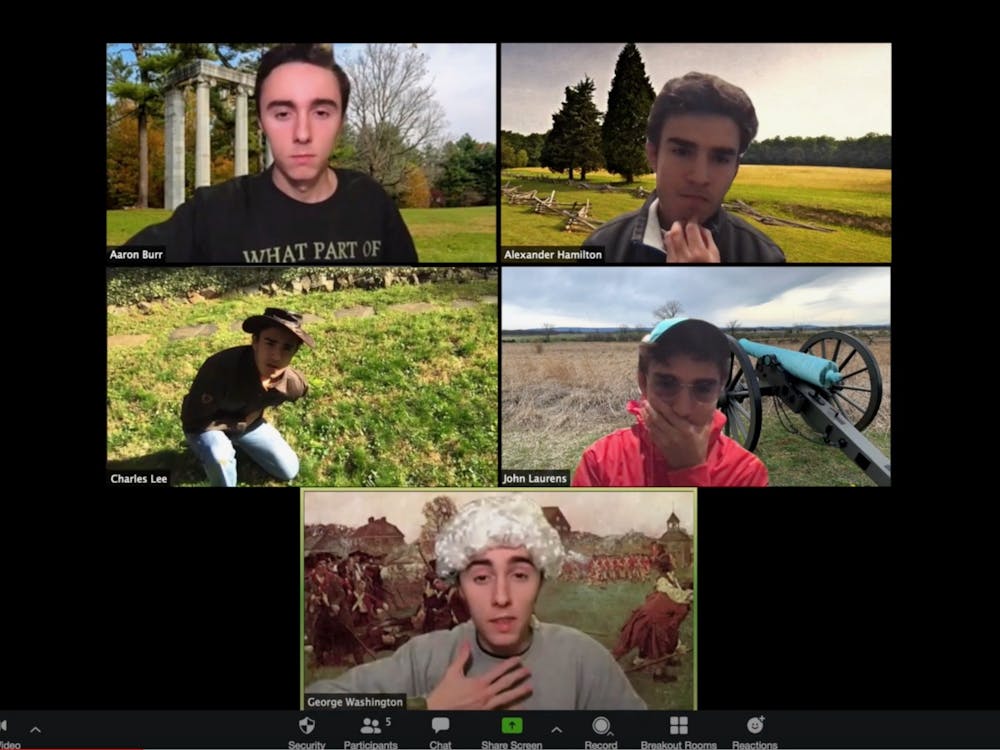
“I think theater just has, will, and always will be the space for us to be considering our togetherness and healing the wounds of separation,” Alvarez said.
“Really the best thing for everyone in the family would have been for me to stay put,” said Alonso Perez-Putnam ’21, of Princeton in Cuba. “But Princeton doesn’t see it that way”
To walk through campus two weekends ago meant coming face to face with the mark of college students forced out in a hurry — and determined to make the most of their last few days.
Forced to monitor the evolving crises both in the United States and abroad, international students continue to grapple with unanswered questions, most pressingly whether they can and should stay on campus.
A day in the lab doesn’t only help scientists understand more about human interactions and how our brains develop and learn. It provides them as well with the joyful privilege of interacting with Princeton’s littlest tigers.
A point of pride for “Princeton for Bernie”: they’re the fastest growing campaign infrastructure on campus. “Everyone else seems to be dissolving,” Wittekind ’22 said.
So when circulation desk staff or Special Collections archivists find a holding damaged — binding broken, page torn, illustration faded — they send it below ground, to the Conservation Lab.
It took them 18 months and surprisingly few obstacles. By intersession 2020, they’d pieced together Princeton’s first international Tiger Trek, modeled off of pre-existing New York City and Silicon Valley Tiger Treks. The weeklong trip offered 18 students and two chaperones the opportunity to travel to Israel in an attempt to understand how the country’s political climate, culture, and other institutions contribute to creating such an expansive tech ecosystem in such a small space.
New women’s basketball head coach Carla Berube has racked up a considerable — if clunky — list of accolades. She isn’t happy yet. “I think,” she said, “that I’m a work in progress.”
“Divestment is going to happen,” said Nixon. “It’s not if, it’s when, and it would be fantastic to see Princeton on the vanguard.”