



The USG will vote Sunday on the Honor Committee's recommended reforms to the Honor Code in a decision that could shift procedural advising from students to administrators.
The USG may also consider weighing in on another list of structural reforms proposed by Johnny Chavkin, Class of 2005 senator. Chavkin just completed a 200-student petition, which places the reforms onto the Spring election ballot on April 12-13.
The Honor Committee reforms also focus on the University president's role. A three-fourths vote is required for each proposal to pass. The two reforms will be weighed separately.
USG president Pettus Randall '04 said they took a straw vote at the first meeting and the "numbers did not look good" to pass the reforms, but he looks forward to the debate Sunday.
Currently, the two Honor Committee investigators assigned to a case decide whether the case will come before the committee. If the investigators decide to hear the case, the accused student chooses one of the two investigators as the clerk at the hearing and the other as the procedural adviser.
On the Sunday before midterms, Catherine Farmer '03, chair of the committee, proposed that these roles be eliminated and the procedural advisor be shifted to the Office of the Dean of Undergraduate Students.
Randall said the second reform is less controversial. Tilghman currently imposes the penalty recommended by the Honor Committee and also accepts appeals.
The Honor Committee suggested separating these two jobs, assigning the role of enforcing the punishment to the dean of undergraduate students and the role of taking appeals to the dean of the college.

Randall supports the committee's proposals, but said there were significant "ideological differences" among USG leaders. "As of now, I would definitely say there is not a consensus," he said.
Chavkin, who is leading an effort to pass a more extensive set of changes, added a fourth reform to his initial list. The new proposal gives students the right to "have a witness present at the first 'confrontation' or questioning by the investigators during the investigation process."
Chavkin's proposal for adding two faculty members to the Honor Committee has been the most contentious change of the two proposals. Eight of nine votes would be required to convict, he said, giving two faculty members veto power.
Chavkin's other proposals include adding intent to the penalty process, and including tape recordings of all proceedings.
Read More
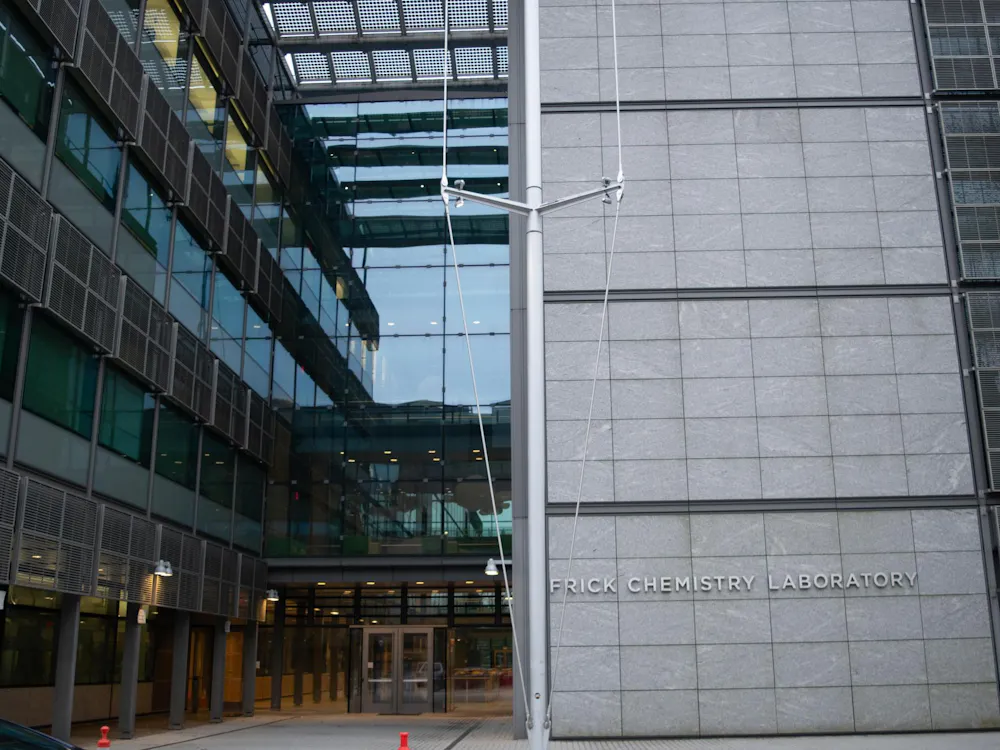
Two Princeton professors win 2027 American Chemical Society awards
Kimberly HutchinsonPrinceton chemistry professors David MacMillan and Paul Chirik were named 2027 American Chemical Society national award winners for their contributions to the field of chemistry.
Princeton chemistry professors David MacMillan and Paul Chirik were named 2027 American Chemical Society national award winners for their contributions to the field of chemistry.

Federal court blocks elimination of duration of status for international students
Luke GrippoA federal court has temporarily stopped the Department of Homeland Security from implementing its new final rule that would limit how long international students and exchange visitors can stay in the country. The next update on the case is set for Oct. 2.
A federal court has temporarily stopped the Department of Homeland Security (DHS) from implementing its new final rule that would limit how long international students and exchange visitors can stay in the country. The next update on the case is set for Oct. 2.

Forbes renovation scope still undecided as Hobson prepares to open
Gus Vogel and Daphne LewisAs Forbes students prepare to become the first cohort to live in Hobson College next year, specifics on Forbes' own renovation remains unsettled by the University nearly six months after the University announced it was accepting consultant bids for a campus-wide dorm renovation plan.
As Forbes students prepare to become the first cohort to live in Hobson College next year, specifics on Forbes' own renovation remains unsettled by the University nearly six months after the University announced it was accepting consultant bids for a campus-wide dorm renovation plan.