



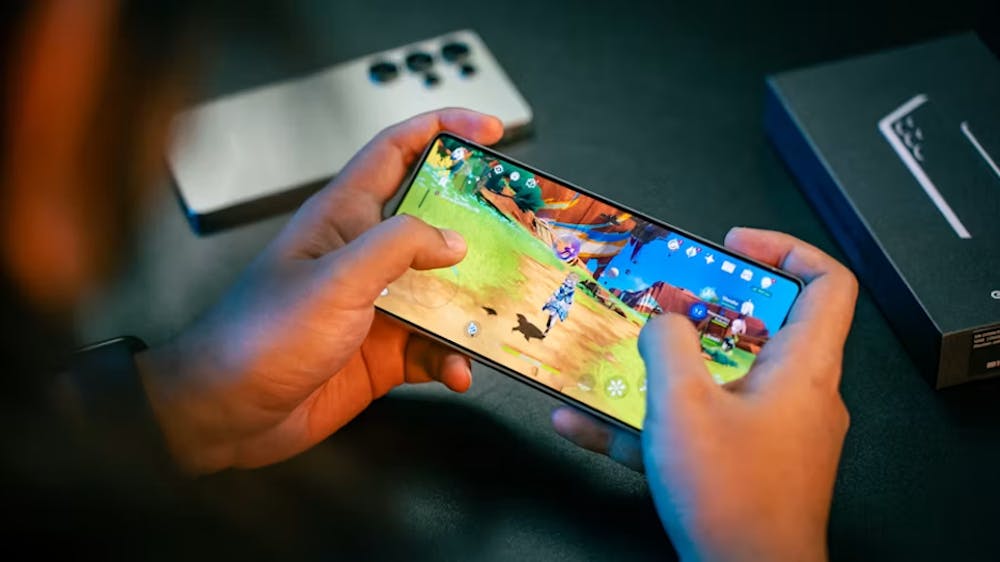
Finding time to relax has become more challenging for many young adults. Between university classes, work commitments, and everyday responsibilities, free time often comes in shorter blocks than it once did. That has changed the way many people think about entertainment.
Digital games have become one way to fill those moments. Some sessions last only a few minutes, while others become a longer way to unwind after a busy day. As technology continues to evolve, digital gaming has become more flexible, more varied, and more accessible than ever before.
Digital Games Fit More Easily Into Busy Schedules
One reason digital games have become so popular is that they adapt well to modern routines. People no longer need to set aside an entire evening to enjoy gaming. A short break between lectures, a train journey home, or a quiet hour after work can all become opportunities to play.
Mobile devices have played a major role in that change. Smartphones and tablets place thousands of games within easy reach, allowing players to continue where they left off without returning to the same computer or console every time. Convenience has become part of the experience rather than simply an added benefit.
Many games are also designed around shorter sessions. Players can complete a puzzle, finish a race, or progress through a strategy challenge without committing to hours of uninterrupted play. That flexibility makes gaming easier to fit around changing schedules.
At the same time, longer experiences remain available for anyone who wants them. The difference is that today's players have far more freedom to decide how much time they want to spend, making digital games easier to enjoy on their own terms.
The Growing Variety of Digital Games Gives People More Choice

Digital gaming now covers far more than traditional video games. Puzzle titles, simulation games, strategy experiences, sports games, role-playing adventures, and cooperative multiplayer games all appeal to different interests and different moods.
That variety means entertainment is no longer defined by a single style of gameplay. Some people prefer games that encourage careful planning, while others enjoy faster reactions or creative problem-solving. Even within the same genre, players often find experiences that feel completely different from one another.
The range has expanded even further with popular casino games, which have become another category within the broader digital gaming landscape. Alongside countless other genres, they give adults additional ways to enjoy interactive entertainment depending on the style of gameplay they find most engaging.
Having so many options means players rarely feel limited to one type of experience. They can move between different genres as their interests change, making digital gaming a far more personal form of entertainment than it once was.
Social Features Have Changed How People Relax Together
Gaming has become much more social than many people realise. Friends no longer need to gather in the same room to enjoy the same experience. Online connectivity allows people to play together regardless of where they happen to be.

Voice chat, messaging systems, and cooperative gameplay have strengthened that sense of connection. Whether players are solving challenges together or competing against one another, games increasingly provide opportunities to spend time with friends in ways that feel both interactive and relaxed.
Communities have also grown around many digital games. Players exchange strategies, discuss updates, share achievements, and organise events through forums, social platforms, and dedicated gaming communities. Those conversations often continue long after the game itself has ended. For many young adults, gaming has become more than an individual pastime. It also provides another way to maintain friendships and stay connected despite increasingly busy schedules.
Technology Has Made Digital Gaming More Accessible
Technology has removed many of the barriers that once limited who could enjoy digital games. Faster internet connections, improved mobile devices, and cloud-based services have made gaming available to a much wider audience without requiring expensive hardware or complicated setup.
Cross-platform support has also changed how people play. Someone might begin a game on a laptop during the afternoon, continue later on a smartphone, and pick it up again on a tablet without losing progress. That continuity makes gaming fit more naturally into everyday routines instead of being tied to a single location.
Game developers have also invested heavily in usability. Menus are easier to navigate, tutorials are clearer, and accessibility settings allow more players to customise the experience to suit their individual needs. Those improvements often go unnoticed, though they make a real difference over time.
As technology continues to develop, the focus has shifted beyond simply creating new games. It is equally about making those games easier to access, simpler to enjoy, and more welcoming for people with different preferences and levels of experience.
Finding Balance While Enjoying Digital Entertainment
Digital games work best when they become one part of a balanced routine rather than replacing everything else. Many young adults already approach gaming that way, using it as a way to relax after studying, working, exercising, or spending time with friends and family.
Setting personal boundaries can help keep the experience enjoyable. Some people choose to play for a set amount of time, while others naturally fit gaming into quieter parts of the day without allowing it to interfere with other responsibilities. Different routines work for different people, and flexibility is part of what makes digital entertainment appealing.
It also helps to think about what kind of experience feels right at a particular moment. A competitive multiplayer game may suit one evening, while a slower puzzle or simulation game might be a better choice on another. Having different options allows entertainment to match changing moods instead of feeling repetitive.
When approached thoughtfully, digital games can become another enjoyable way to unwind. Like many hobbies, they tend to be most rewarding when they complement everyday life rather than compete with it.
Digital Games Continue to Evolve With Everyday Life
Digital gaming has become a familiar part of how many young adults relax. Greater flexibility, wider game selection, stronger social features, and ongoing technological improvements have all contributed to making games easier to enjoy whenever time allows.
As new ideas and technologies continue to emerge, digital games will almost certainly keep evolving alongside the people who play them. Whether someone prefers quick mobile sessions, cooperative experiences with friends, or slower games that provide a chance to switch off after a busy day, the growing variety of digital entertainment means there is room for many different ways to unwind.
The Daily Princetonian’s editorial staff do not edit or otherwise review sponsored content.
Read More
