



If USG Movies is like the Cannes of the Princeton film scene, then the Thomas Edison Film Festival is like the Independent Spirit Awards.
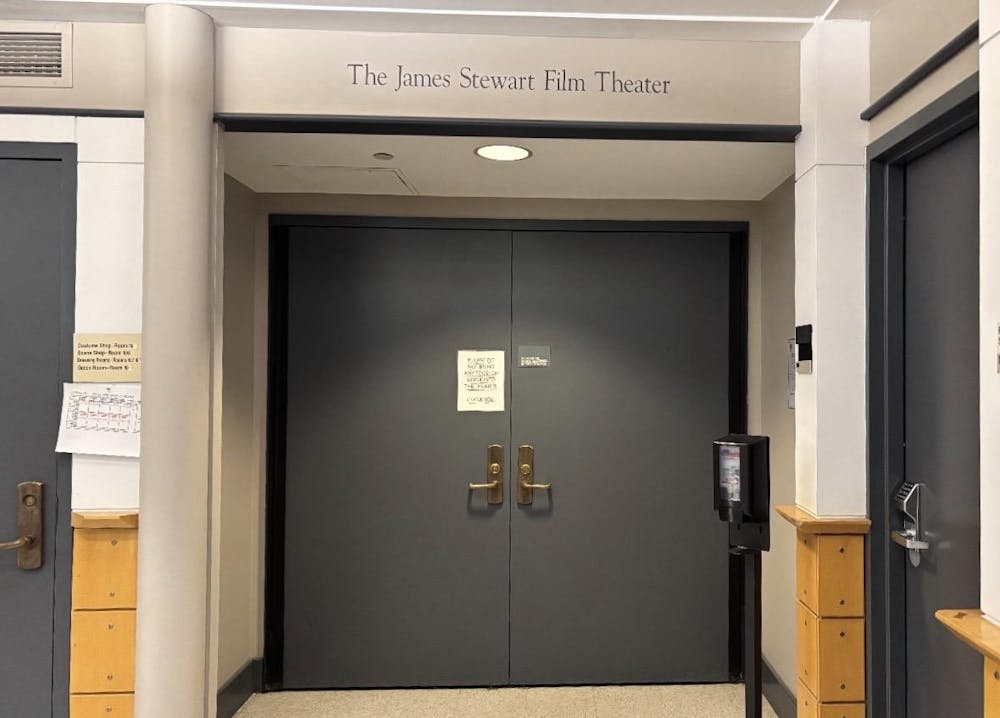
The internationally-juried Thomas Edison Film Festival (TEFF) is a New Jersey- based showcase of films that travels up and down the East Coast. TEFF is celebrating its 45th year, but you wouldn’t know it from the attendance of the Princeton season premiere. As the screening began, the seats of the James Stewart Theatre were sparsely filled with Princeton visual arts students and older film patrons. After speaking to the students present, it became clear that most had only heard about the screening from one of their professors. Although its reach may not be broad with students, TEFF seems to have an enthusiastic group of local viewers who are eager to experience film and interact with the artists during a Q&A.
TEFF is the “bastion of the short film format,” according to president Steven Gorelick. The screening included a diverse mix of short films, or “shorts” as they are known in the film world. “Short film deserves all the attention it can get,” Gorelick continued. The festival aims to provide a source of this vital attention through seven awards, named Stellar Awards, honoring shorts in different categories, including Documentary, Screen Dance, Narrative, and “Global Insights.”
My favorite short of the night was “Hollowgram,” the jury’s pick for best experimental film. Featuring dizzyingly bright bursts of color and sound, its footage was captured from “places real and imagined,” according to the festival program. Rather than traditional dialogue, the film makes use of poetry-like fragments in a loopy font that hover over lush Romanian landscapes. The text hints at a history of painful relationships and the confines of societal gender dynamics, with allusions to men who have judged and demeaned the female main character. This theme is contrasted with the arresting and meditative imagery of the film. Watching this short, I felt nostalgia for the hot summer days of my childhood, and a reassurance that their simple joys can heal any pain. While I’m usually a bit skeptical of experimental films, this one managed to convince me of the genre’s beauty and emotional power.
The screening also included a trio of heartwarming, people-centered documentaries.
“Grit,” which took home the Jury’s Stellar Award for the category, is a feel-good story of three seniors who are facing old age with determination and joy. The personalities of these protagonists made the film shine, but I wish we had gotten to go a bit further into the ‘grit’ of their lives, beneath the glossy landscape shots and upbeat music we were presented with.
“The Anarchist and the Fridge,” winner of the Global Insights Stellar Award, captured vignettes from the life of Thadeaus Umpster, the titular “anarchist” who oversees a free food fridge in Brooklyn, New York. I was impressed by how the cinematography and editing presented a cohesive, cinematic story while portraying the chaos of jumbled vegetables and eager volunteers.
“Randy Wicker – A Portrait” won the festival’s Diversity, Equity, and Inclusion award for its portrayal of lifelong LGBTQ activist Randy Wicker and his friendship with Marsha P. Johnson. Its imagery consisted of a hopeful patchwork of archival footage and rainbow pride flags. Rolando Nieves, one of the film’s creators, remarked during the Q&A that the resonance of Randy Wicker’s story in a troubled socio-political climate is bittersweet: “I guess our film is still relevant…what a bummer.”

Before the screening started, TEFF Executive Director Jane Steuerwald urged students to “please never quit coming to the movies.”
For the sake of the artists whose work TEFF showcases, I hope more students will find their way to next year’s annual screening on campus. But I also hope that a larger audience won’t ruin what makes the festival special on Princeton’s campus. On the VIS building’s quiet block of Nassau Street, TEFF’s indie atmosphere feels like something you might stumble upon in a city far from the reaches of Nassau Hall. Perhaps selfishly, I hope this hidden gem stays hidden.
Lily Hutcheson is a member of the Class of 2028 and a senior writer for The Prospect and a contributing constructor for the Puzzles Section.
Read More

This Week in History: Murray-Dodge Café Opened Its Doors
Miriam DubeLast week, Murray Dodge Café celebrated 50 years of serving as a relaxed, alcohol-free social space for students. Commemorating decades of free cookies and tea, the ‘Prince’ looks back on how the café overcame various hurdles to open its doors, and the café’s first few months serving students on campus.

‘We still have pride’: Students and faculty react to U.S. News ranking that placed Princeton second
Claire Ding and Albert TanStudents and faculty reacted to Princeton dropping its No. 1 position on U.S. News’s annual university rankings for the first time in 15 years.
Students and faculty reacted to Princeton dropping its No. 1 position on U.S. News’s annual university rankings for the first time in 15 years.

Laptop smashed and TVs damaged in Bowen Hall, investigation ongoing
Sena ChangA laptop and multiple monitors were found damaged in Bowen Hall on Sunday morning. This incident is still under investigation as of Monday.
A laptop and multiple monitors were found damaged in Bowen Hall on Sunday morning. This incident is still under investigation as of Monday.