



More than two years after the Sept. 11 attacks, the surge in student interest in the Near Eastern studies department has started to slow down.
In the academic year after the Sept. 11, 2001 attacks, enrollment in undergraduate NES courses, including languages, was 530 students, up from 382 the year before. In the 2002-03 academic year, undergraduate enrollment in NES courses continued to rise, reaching 586 students.
This semester, preliminary statistics before the final add/drop date show student enrollment in NES classes is 213 — which projects to 426 for the year.
A junior who recently decided to major in the department said in an email that "the occurrences of 9/11 have indirectly affected my decision to major in NES."
"I can't say that it is because of 9/11 that I am now majoring in NES," she said. "I think the region is extremely interesting because of its fascinating cultural differences, and this has been an area of interest for me for a long time."
Nine students decided to major in NES last year, whereas the previous year saw only five concentrators. The tentative count for majors in the department for this year is 12.
Sept. 11 references
Professor Mark Cohen, who teaches NES 220: Jews, Muslims and Christians in the Middle Ages, said that although he had not changed the curriculum of his course, which was also offered prior to the Sept. 11, 2001 attacks, he does frequently make reference to the events in his classes.
Despite his course's focus on a period of time in Western-Islamic relations far removed from the post Sept. 11 era, Cohen remarked, "history has something to do with the contemporary world."

Though there may be a drop in overall NES enrollment, the number of students taking Arabic has increased more than threefold since 2001-02 — when only 11 students took the language.
The number of courses offered by the NES department since Sept. 11, has remained about the same.
For example, in 2000-01, 24 courses were offered, while last year there were 21.
This does not mean that the faculty in the NES department is unaware of post Sept. 11 realities and the resulting increased student interest.
Professor Negin Nabavi, who is teaching a course entitled "Modern Iran" — also offered prior to Sept. 11 and President Bush's naming of the "axis of evil" — said she has changed the curriculum of her course in light of the current events.
The NES department has also taken steps to increase its focus on politics as they relate to the Middle East. It has recently hired a political scientist specializing in the Middle East, Professor Julie Taylor.

When asked to comment on the changes over the last two years in NES, Professor Andras Hamori, chair of the department, said he was pressed for time because he had to teach two more Arabic sections than usual.
Read More
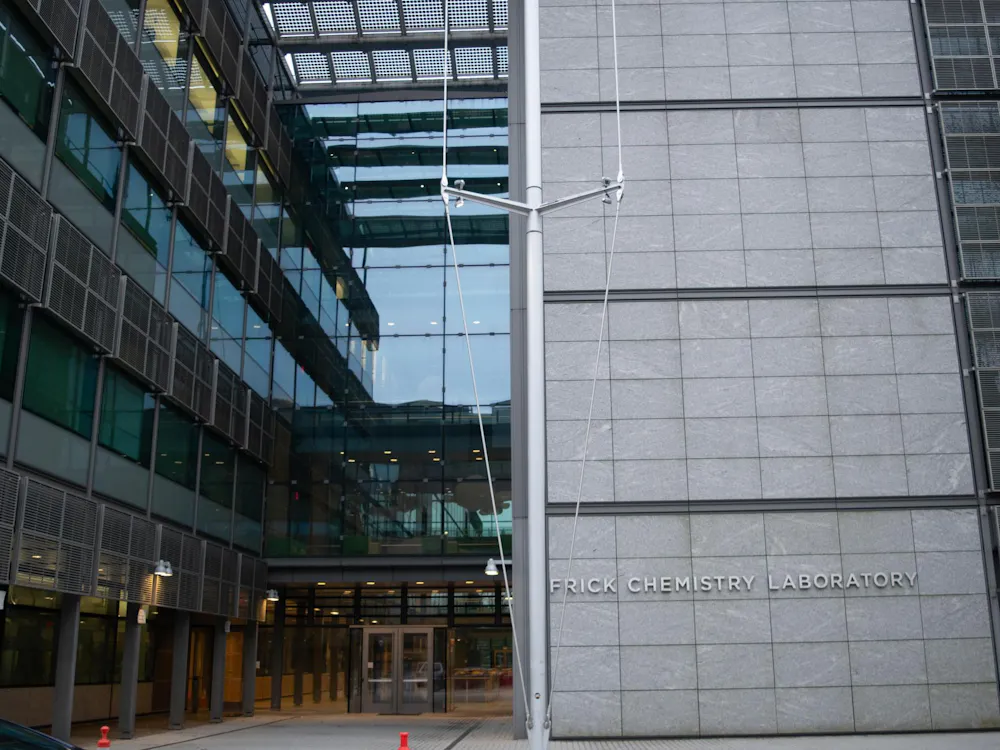
Two Princeton professors win 2027 American Chemical Society awards
Kimberly HutchinsonPrinceton chemistry professors David MacMillan and Paul Chirik were named 2027 American Chemical Society national award winners for their contributions to the field of chemistry.
Princeton chemistry professors David MacMillan and Paul Chirik were named 2027 American Chemical Society national award winners for their contributions to the field of chemistry.

Federal court blocks elimination of duration of status for international students
Luke GrippoA federal court has temporarily stopped the Department of Homeland Security from implementing its new final rule that would limit how long international students and exchange visitors can stay in the country. The next update on the case is set for Oct. 2.
A federal court has temporarily stopped the Department of Homeland Security (DHS) from implementing its new final rule that would limit how long international students and exchange visitors can stay in the country. The next update on the case is set for Oct. 2.

Forbes renovation scope still undecided as Hobson prepares to open
Gus Vogel and Daphne LewisAs Forbes students prepare to become the first cohort to live in Hobson College next year, specifics on Forbes' own renovation remains unsettled by the University nearly six months after the University announced it was accepting consultant bids for a campus-wide dorm renovation plan.
As Forbes students prepare to become the first cohort to live in Hobson College next year, specifics on Forbes' own renovation remains unsettled by the University nearly six months after the University announced it was accepting consultant bids for a campus-wide dorm renovation plan.