



More than a year after the U-Council's initial proposal for precept reform, the University has finally reached a decision to introduce mandatory training for all first-time preceptors this fall. Nancy Malkiel, dean of the college, announced the new measure at last Monday's Council of the Princeton University Community meeting.
"This decision is truly exciting," said Allison Arensman '04, U-Council Executive Committee member. "It shows commitment on the part of the University to making precepts the very best they can be. The University often takes baby steps but this is a huge leap in the University being proactive toward considering a proposal brought forward by an undergraduate committee."
Though plans have not been finalized, the new training will most likely occur within each department so that preceptors will be provided with pedagogical techniques tailored to their field of study, said Josh Anderson '04, U-Council chair.
How the training will be implemented has not yet been decided, but Anderson said he hopes that it will take the form of a comprehensive seminar rather than a "two day crash course."
"In order to make the training effective we want to see a sustained program that will focus on the craft of teaching and pedagogical techniques," Anderson said. "One of my greatest fears right now is that the program will not be comprehensive enough."
The U-Council's proposal, which was presented last spring, stemmed from a student survey that indicated many of the 1,660 respondents were unsatisfied with the overall quality of precepts. The council recommended mandatory training for preceptors, expansion of the McGraw Center for Teaching and Learning's mentoring program and increased recognition and incentive for outstanding preceptors.
Despite a few initial steps introduced at the November CPUC meeting, Monday's announcement represents the first major effort on the part of the University to address the concerns voiced by the U-Council.
"Until last Monday I was very frustrated because we really hadn't seen much come of the proposal," Anderson said. "The University hadn't really given us a comprehensive response before. Now at least we've seen them take our report seriously, and hopefully more is to come."

Monday's meeting also addressed the issue of campus intellectualism, with Arensman proposing an optional program of monthly dinner discussions to facilitate campus dialogue. The program would require an hour be set aside each month during which no classes, practices, meetings or rehearsals would be scheduled. Students would then have the opportunity to sign up for small professor-led discussion groups at their dining hall or eating club.
"We have been proposing this idea to students for a while now because we really want this to be a grassroots movement," Arensman said. "We want to show the administration that this is really coming from the student body."
Though the administration is still considering the proposal, Arensman said the reaction at the meeting was "tremendously positive," with President Tilghman expressing her excitement about the idea and many of the professors in attendance demonstrating a desire to participate if the program is approved.
The U-Council is expecting a response from the administration by early summer, she said.
Ultimately, Anderson hopes both the precept reforms and the dinner discussions will increase intellectualism on campus by providing students with a range of venues for engaging in discussion with their peers.
"By creating the right kind of intellectual opportunities — memorable and penetrating ones — we are making a serious contribution to intellectual life on campus," Anderson said. "Our concern with intellectual life actually emanated from our precept report last spring, and we believe that if you can make classes truly inspiring, then intellectual life outside of the classroom will take care of itself."
Read More
Two Princeton professors win 2027 American Chemical Society awards
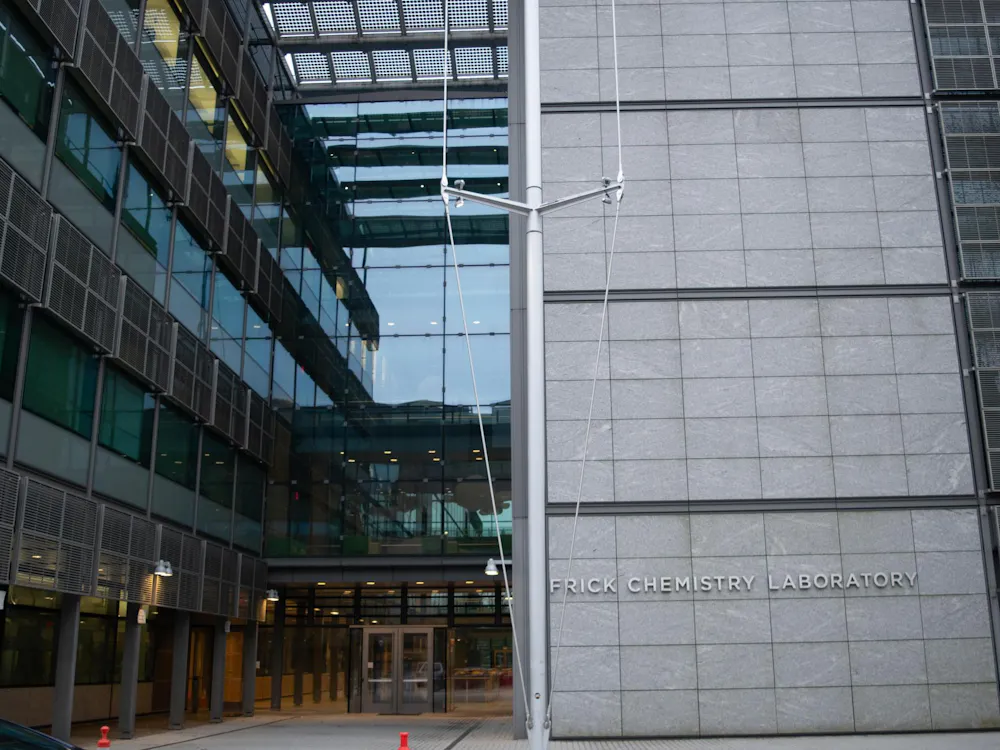
Kimberly HutchinsonPrinceton chemistry professors David MacMillan and Paul Chirik were named 2027 American Chemical Society national award winners for their contributions to the field of chemistry.
Princeton chemistry professors David MacMillan and Paul Chirik were named 2027 American Chemical Society national award winners for their contributions to the field of chemistry.

Federal court blocks elimination of duration of status for international students
Luke GrippoA federal court has temporarily stopped the Department of Homeland Security from implementing its new final rule that would limit how long international students and exchange visitors can stay in the country. The next update on the case is set for Oct. 2.
A federal court has temporarily stopped the Department of Homeland Security (DHS) from implementing its new final rule that would limit how long international students and exchange visitors can stay in the country. The next update on the case is set for Oct. 2.

Forbes renovation scope still undecided as Hobson prepares to open
Gus Vogel and Daphne LewisAs Forbes students prepare to become the first cohort to live in Hobson College next year, specifics on Forbes' own renovation remains unsettled by the University nearly six months after the University announced it was accepting consultant bids for a campus-wide dorm renovation plan.
As Forbes students prepare to become the first cohort to live in Hobson College next year, specifics on Forbes' own renovation remains unsettled by the University nearly six months after the University announced it was accepting consultant bids for a campus-wide dorm renovation plan.