



Though the University's endowment is less than half the size of Harvard University's, Harvard's cost-cutting measures save only slightly more — between a half million and $1.5 million — than Princeton's do.
Each year, the University has saved more than $2 million per year through cost-cutting measures. For the past 13 years, the school has cut costs by buying in bulk contracts.
In the last year, Harvard University has begun to take similar measures. With an endowment of $17.5 billion dollars, Harvard has saved $2.5 to 3.5 million dollars per year by buying in bulk and streamlining its administration, the Harvard Crimson reported. Princeton, which has an endowment of only $8.3 billion, is able to save $2 million a year.
"We are able to do so because of the central organization of our purchasing system — unlike Harvard where each school operates independently of one another," President Shirley Tilghman said. "Thus we are able to capture efficiencies of scale that save us significant amounts of money each year."
Much of the University's cost-saving takes place through the negotiation of bulk contracts, said Provost Amy Gutmann.
Through these contracts, the University has special relationships with certain vendors. The University provides them with an estimate of the entire school's demand for a product, and the vendors are able to give the University bulk prices even if the school does not buy enormous amounts of the product, said Don Weston, director of purchasing.
In addition, products are delivered straight to departments, so the University does not need a delivery infrastructure, which also saves money, he said.
The University also cuts costs in Facilities, Dining Services, OIT, the library and Risk Management.

Dining services, for instance, uses a system called Request For Proposal, through which it requires that at least three providers offer competitive bids, allowing dining services to choose the lowest price. With RFP, the University is able to include more vendors and agree to longer-term contracts, said Stuart Orefice, director of dining services.
Not only does dining services save on food, but also on soaps, detergents and paper goods, he said.
"We've been very successful," Orefice said.
The RFP process, when introduced, allowed dining services to save over $200,000 to fund the late meal program, Orefice said.
Such individual efforts in different University departments add up, Gutmann said.
"Our many departments work together through fairly unified policies, which have been agreed upon over time. We try not to operate as 'each tub on its own bottom' (which can be very inefficient)," she said in an email.

"Yet by far our greatest flexibility and strength comes from the generosity of our alumni through annual giving and contributions to our endowment, the excellent investment oversight of our trustees, and the responsible management by many staff members over time," Gutmann said.
Read More
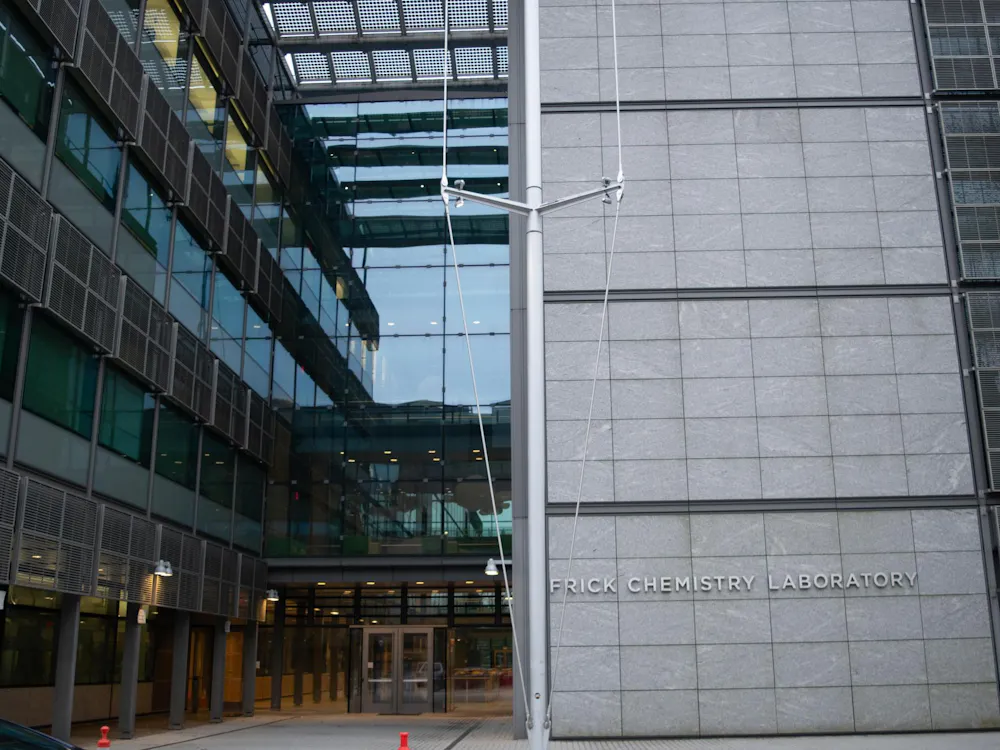
Two Princeton professors win 2027 American Chemical Society awards
Kimberly HutchinsonPrinceton chemistry professors David MacMillan and Paul Chirik were named 2027 American Chemical Society national award winners for their contributions to the field of chemistry.
Princeton chemistry professors David MacMillan and Paul Chirik were named 2027 American Chemical Society national award winners for their contributions to the field of chemistry.

Federal court blocks elimination of duration of status for international students
Luke GrippoA federal court has temporarily stopped the Department of Homeland Security from implementing its new final rule that would limit how long international students and exchange visitors can stay in the country. The next update on the case is set for Oct. 2.
A federal court has temporarily stopped the Department of Homeland Security (DHS) from implementing its new final rule that would limit how long international students and exchange visitors can stay in the country. The next update on the case is set for Oct. 2.

Forbes renovation scope still undecided as Hobson prepares to open
Gus Vogel and Daphne LewisAs Forbes students prepare to become the first cohort to live in Hobson College next year, specifics on Forbes' own renovation remains unsettled by the University nearly six months after the University announced it was accepting consultant bids for a campus-wide dorm renovation plan.
As Forbes students prepare to become the first cohort to live in Hobson College next year, specifics on Forbes' own renovation remains unsettled by the University nearly six months after the University announced it was accepting consultant bids for a campus-wide dorm renovation plan.