



Catherine Farmer '03, chair of the Honor Committee, proposed changes to the procedural advising process and eliminating the University president's involvement in the honor system at a USG meeting last night. The USG, which must approve the proposal before it takes effect, chose to postpone its decision for at least three weeks.
Farmer said she had hoped the USG would vote on the proposal before midterms, but USG president Pettus Randall '04 said many of the senators had substantive concerns with the reforms, and as it stood, the reforms probably would not have passed.
Currently, the two Honor Committee investigators assigned to a case decide whether the case will come before the committee. If the investigators decide to hear the case, the accused student chooses one of the two investigators as the clerk at the hearing and the other as the procedural adviser.
However, Farmer said students often feel uncomfortable being advised by one of the people who initially recommended the case come to trial. The Honor Committee proposed that these roles be eliminated and the procedural adviser come from the Office of the Dean of Undergraduate Students.
"I wouldn't be comfortable talking to students who just told me that I cheated," Farmer said at the meeting. "This is someone who you don't like and you think doesn't like you, and you're supposed to go and have them be your adviser and help you through the process."
Second, the Honor Committee recommended, at the request of the University president's office, that the president be removed from Honor Committee duties. As it stands now, President Tilghman imposes the penalty recommended by the Honor Committee and also accepts any appeals.
The Honor Committee suggested separating these two jobs, assigning the role of enforcing the punishment to the dean of undergraduate students and the role of taking appeals to the dean of the college.
"The president's office has said they don't want this responsibility anymore," Farmer said. "They don't think this office has time to deal with what an appeal entails. The dean of the office of undergraduate students is better equipped."
Not a rejection

Randall said the USG's decision to table the proposal should not be interpreted as a rejection.
"The vote of the senate was that there was a just a lot of things we needed to consider," Randall said in the meeting. "We need more time to talk to constituents and figure out the dynamics of the issue."
This decision to postpone the vote came as the result of a discussion in which several members of the USG, including U-Councilor Chris Wendell '03, expressed concern at their preparedness and knowledge about the Honor Code.
"This is the most important thing at the University for undergraduates; this is the center of our life," Wendell said. "I would say I would be uncomfortable making these changes three hours after reading this. Most of us read this quickly and haven't had a chance to think about this."
The USG decided to form an exploratory committee to more closely examine the proposed reforms and the sentiments of the student body, Randall said.
Farmer said she was disheartened by the USG response.

"I was a bit disappointed that USG members felt they weren't prepared as I felt they had ample time," she said. "But, I appreciate that they want to make the best decision possible."
Class senator Johnny Chavkin '05, who has proposed adding faculty members to the Honor Committee, including intent in the penalty process, and tape recording all proceedings, said he felt his plan would be more efficient.
"It's great that they've acknowledged a need to reform, and they have reformed themselves," Chavkin said. "But it's taken three years, three years that it could've benefited students but didn't. A referendum would be much more decisive and quicker in making changes."
Read More
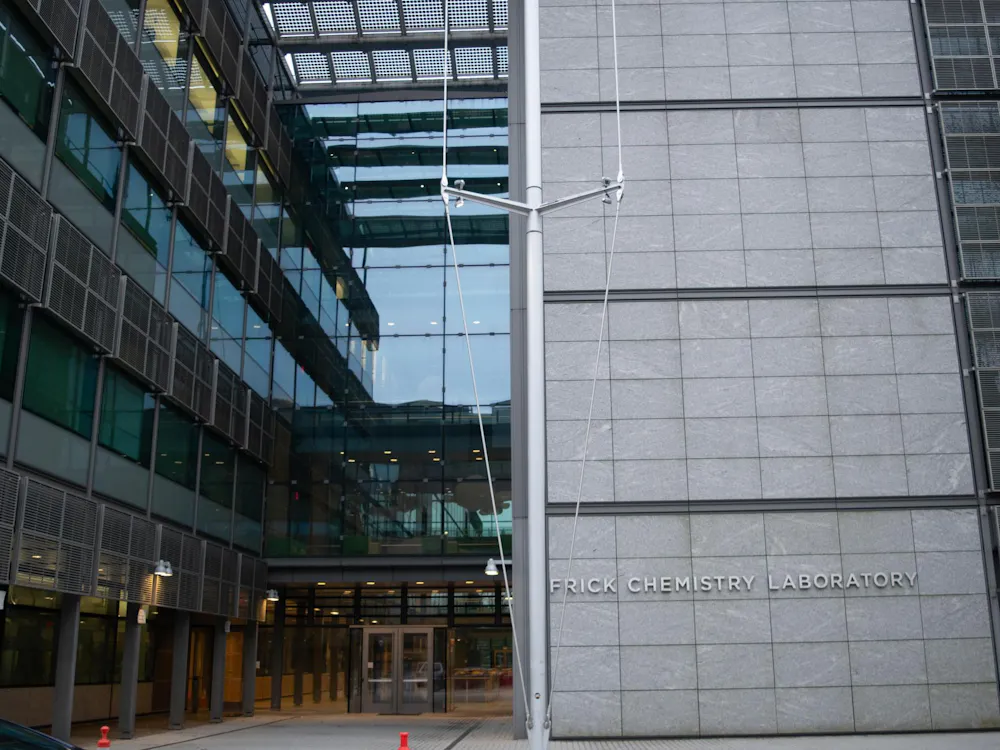
Two Princeton professors win 2027 American Chemical Society awards
Kimberly HutchinsonPrinceton chemistry professors David MacMillan and Paul Chirik were named 2027 American Chemical Society national award winners for their contributions to the field of chemistry.
Princeton chemistry professors David MacMillan and Paul Chirik were named 2027 American Chemical Society national award winners for their contributions to the field of chemistry.

Federal court blocks elimination of duration of status for international students
Luke GrippoA federal court has temporarily stopped the Department of Homeland Security from implementing its new final rule that would limit how long international students and exchange visitors can stay in the country. The next update on the case is set for Oct. 2.
A federal court has temporarily stopped the Department of Homeland Security (DHS) from implementing its new final rule that would limit how long international students and exchange visitors can stay in the country. The next update on the case is set for Oct. 2.

Forbes renovation scope still undecided as Hobson prepares to open
Gus Vogel and Daphne LewisAs Forbes students prepare to become the first cohort to live in Hobson College next year, specifics on Forbes' own renovation remains unsettled by the University nearly six months after the University announced it was accepting consultant bids for a campus-wide dorm renovation plan.
As Forbes students prepare to become the first cohort to live in Hobson College next year, specifics on Forbes' own renovation remains unsettled by the University nearly six months after the University announced it was accepting consultant bids for a campus-wide dorm renovation plan.