



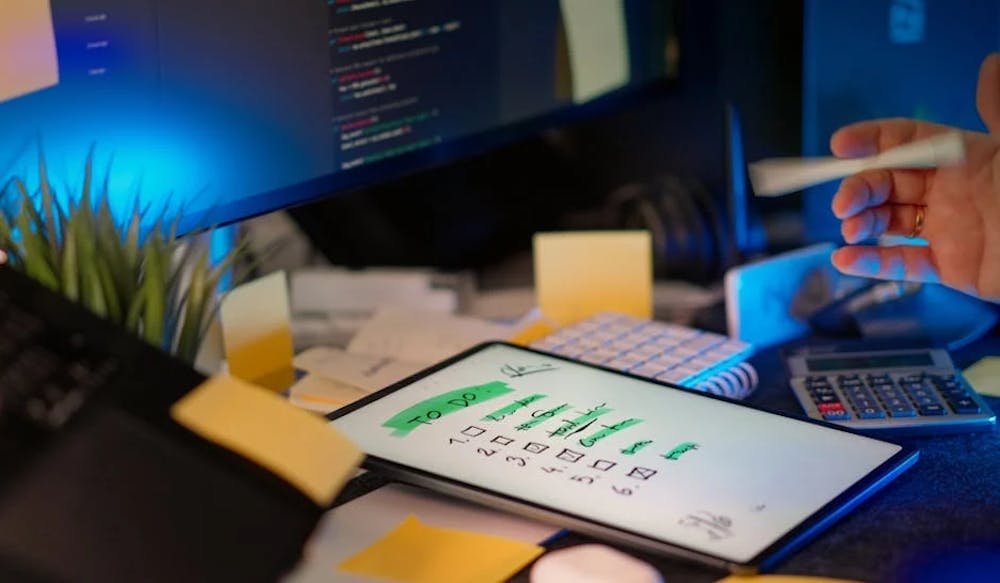
There’s a quiet shift happening in everyday life. More people are beginning to approach their days with a sense of structure and intention that feels almost second nature. Mornings begin with checking how well you slept. Afternoons revolve around getting through priorities. Even evenings are shaped by how best to recharge. Life, in many ways, starts to resemble a well-organized list.
That mindset now extends beyond work or wellness into how people spend their free time. Instead of randomly choosing what to watch or play, many turn to curated recommendations to make the most of their downtime. Even niche platforms like BonusFinder reflect this shift, helping people quickly navigate options and focus on experiences that match their preferences. It adds a layer of ease to decision-making, making leisure feel just a bit more intentional.
When Did Everything Become a Goal?
Not long ago, many parts of life unfolded without much planning. You went for a walk because it felt right. You picked a show based on a quick glance. You rested without thinking about how effective that rest was.
Today, those same moments often come with a bit more awareness. Walking can be tied to staying active. Watching something can feel like choosing the best option available. Rest can be seen as part of maintaining energy for the next day.
This shift is not necessarily a bad thing. It reflects a growing desire to be more mindful with time and energy. People are becoming more thoughtful about how they spend their days, and that awareness can lead to more satisfying routines.
The Comfort of Having It All Figured Out
There is something reassuring about having a sense of direction. Knowing what your day looks like can reduce stress and create a feeling of balance. Small accomplishments, like finishing tasks or sticking to a routine, can bring a steady sense of progress.

This structure can be especially helpful in busy or unpredictable environments. It offers a way to stay grounded. It also allows people to carve out time for things that matter, whether that is work, hobbies, or rest.
Over time, these small systems and habits begin to shape a lifestyle that feels both organized and flexible. Instead of reacting to the day, people feel more prepared to move through it.
When Efficiency Meets Enjoyment
One of the more interesting changes is how optimization blends with enjoyment. Free time is no longer separate from the rest of life. It becomes part of a larger rhythm where relaxation is just as valued as productivity.
Choosing what to watch, read, or explore becomes a more thoughtful process. People look for experiences that feel worth their time, whether that means discovering something new or returning to something familiar.
This does not take away from enjoyment. In many cases, it enhances it. With so many options available, having a way to filter and choose can make free time feel more rewarding.

It also encourages people to be more intentional about what they say yes to. Instead of feeling overwhelmed by endless options, there is a growing sense of clarity in choosing what fits a mood, a schedule, or even a simple curiosity in the moment.
The Rise of Everyday Systems
Another subtle change is how people are building small systems into their daily lives. These are not rigid schedules, but gentle frameworks that help things run more smoothly. It could be a morning routine that sets the tone for the day, a weekly reset that brings a sense of order, or even simple habits like planning meals or setting aside time to unwind.
These systems are appealing because they reduce friction. Instead of constantly deciding what to do next, there is already a loose structure in place. That frees up mental space for more meaningful decisions, whether that is focusing on work, connecting with others, or simply relaxing.
What makes these systems interesting is how personal they are. No two routines look exactly the same. Each person adapts them based on what feels natural and sustainable, which makes the idea of optimization feel less rigid and more like a form of self-design.
Designing a Life That Works
The idea of treating life like a dashboard is not really about control. It is about awareness. It reflects a desire to make thoughtful choices and create a rhythm that supports both productivity and enjoyment.
At its best, this approach helps people focus on what matters while still leaving room for flexibility. It allows for better decisions without removing the freedom to explore.
Ultimately, the goal is not to perfect every moment. It is to create a way of living that feels balanced, engaging, and sustainable. A little structure can go a long way, especially when it leaves space for everything that makes life interesting.
The Daily Princetonian’s editorial staff do not edit or otherwise review sponsored content.
Read More


