



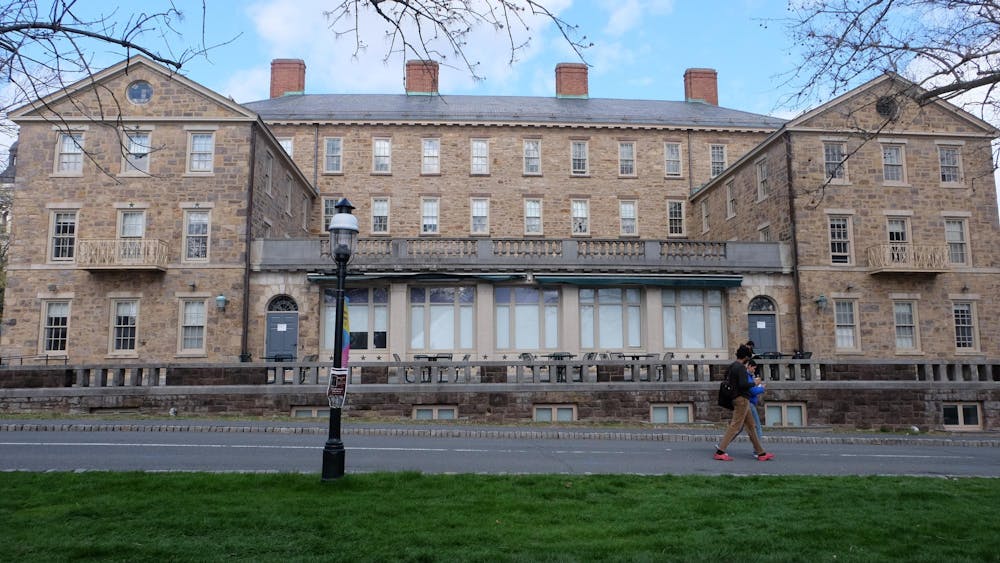
As of this semester, the Independent Major Program has been paused and will not accept applications from the Class of 2030 or subsequent classes until further notice. However, members of the Class of 2029 will still be able to apply this fall, with proposals due on Dec. 5.
The decision follows low participation and interest in the program. Currently, no undergraduates have declared an independent major, and between the Classes of 2019 and 2026, only eight students graduated with an independent major, excluding the Independent Major in Linguistics. Their programs of study included Postcolonial Environmental Studies, Human-Computer Interaction and Design, and Indigenous Studies, among other areas, according to an email to The Daily Princetonian from Deputy Dean of the College Rebekah Peeples GS ’09.
The Independent Major Program allowed students to pursue these individualized courses of study outside of the University’s 38 majors, and has existed since 1972.
Reduced participation in the Independent Major Program can partly be attributed to the expansion of the University’s fields of study to include an undergraduate major in Linguistics, according to Peeples.
Prior to the Program in Linguistics becoming a separate academic unit, students pursuing an Independent Major in Linguistics were “far and away” the majority of the Independent Major Program as a whole, Peeples told the ‘Prince.’ Currently, linguistics is the only major at Princeton hosted by a program and not a department, school, or institute.
Dean of Rockefeller College Justine Levine expressed limited experience with the program. “I don’t think I’m the best person to opine about this, because I only had very few students ever do it,” Levine wrote to the ‘Prince’ when asked about the pause of the Independent Major Program.
Peeples says the University is questioning “the appropriateness of this container [program] for facilitating [interdisciplinary] exploration… given that our curriculum now looks very different than it did when this program was established.”
Recent developments to the University curriculum include the establishment of interdisciplinary minors, such as Computing, Society, and Policy (available for the Class of 2027 onward), Engineering Physics (Class of 2026 onward), and Environmental Studies (Class of 2025 onward).

The University’s transition from certificates to minors was approved in 2022, with departmental minors added to the catalog in 2023. The Undergraduate Announcement currently lists 72 minors available to both A.B and B.S.E. students.
Vitalia Spatola ’28 applied for the independent major program as an environmental studies major, but was rejected.
“I was sad, of course,” Spatola said. “But, I heard nobody got the independent major, so that did make me feel slightly better, which is awful to say because I wish that we had all got it.”
Last spring, Spatola declared an anthropology major, and is also pursuing an environmental studies minor. In her sophomore year, Spatola conducted independent research focusing on ecological and social topics.
Spatola is a staff Opinion writer for The Daily Princetonian.
Peeples highlighted alternative opportunities to pursuing an independent major, such as taking a graduate course and “proposing a reading course or a student-initiated seminar” as ways for students to further individualize their academic path.

“One thing that students don’t always realize that they’re giving up with an independent major is the community of a department,” Peeples said. “Students don’t know what they’re missing because they’re applying for this program early in their sophomore year.”
In addition to proposing a course of study, Independent Major applicants are required to find two faculty advisors. These advisors work with students on their junior paper and senior thesis — both hallmarks of the Princeton undergraduate experience.
“The question of what that [independent work] looks like in an independent major is a bit inchoate,” Peeples noted.
Though Spatola expressed that the independent major program being paused was “a loss of freedom for students,” she acknowledged the importance of having a department and faculty to support students.
“We are really committed to and supportive of students’ interests transcending any one field. That’s what a liberal arts curriculum is about,” Peeples said. “The College is fully committed to that.”
The program review will be conducted by the Committee on the Course of Study, led by committee secretary Dean James Alexander “Alec” Dun.
Dun directed the ‘Prince’ to Peeples on matters related to the program review. It is unclear exactly when the program review will start and conclude.
“I hope, personally, that [the independent major is] brought back,” Spatola said. “I do think we have some really bright minds here. If they have something that they want to do, we should let them.”
Katharine Glover is a News contributor for the ‘Prince’ and a member of the Class of 2030.
Mia Chen is a News contributor for the ‘Prince’ and a member of the Class of 2030
Please send any corrections to corrections[at]dailyprincetonian.com.
Read More
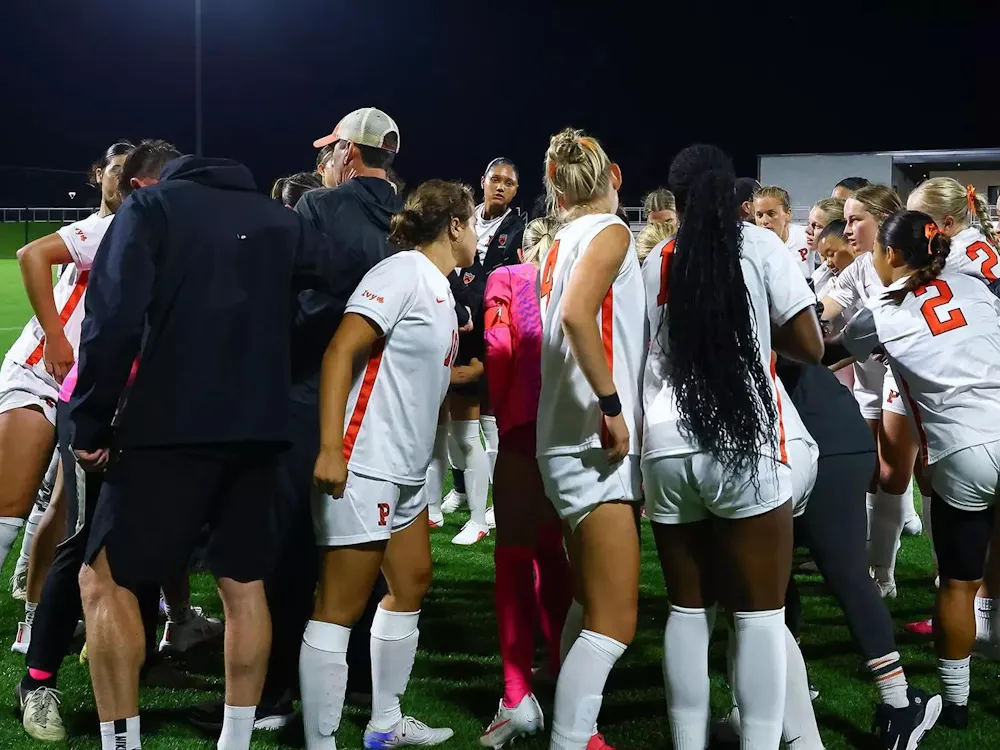
A B1G match-up: Women’s soccer falls to Ohio State
Siena SydenhamNo. 8 Ohio State proved to be a worthy opponent for the Tigers. Two goals in the first 10 minutes gave the Buckeyes momentum, and a second half surge in Princeton’s performance came too late and was not enough to combat the wide OSU lead.
No. 8 Ohio State proved to be a worthy opponent for the Tigers. Two goals in the first 10 minutes gave the Buckeyes momentum, and a second half surge in Princeton’s performance came too late and was not enough to combat the wide OSU lead.
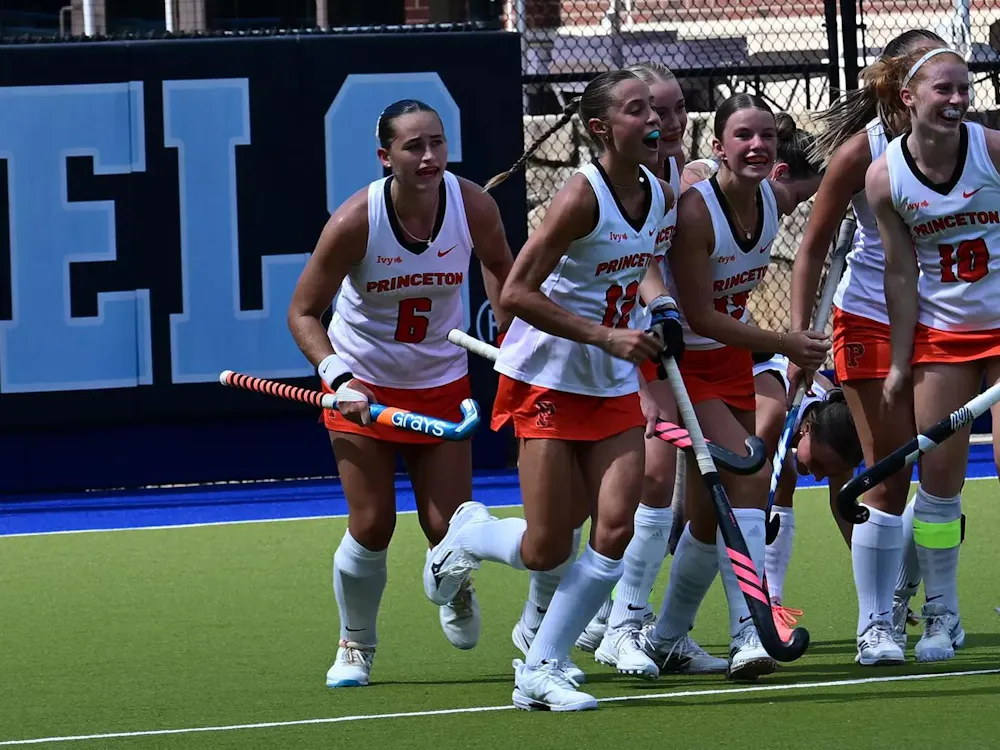
Field hockey dominates ODU in season-opener before falling to UNC in dramatic shootout fashion
Emilia ReayAfter dominating ODU 4-0, field hockey fell short against UNC following a down-to-the-wire shootout.
After dominating ODU 4-0, field hockey fell short against UNC following a down-to-the-wire shootout.
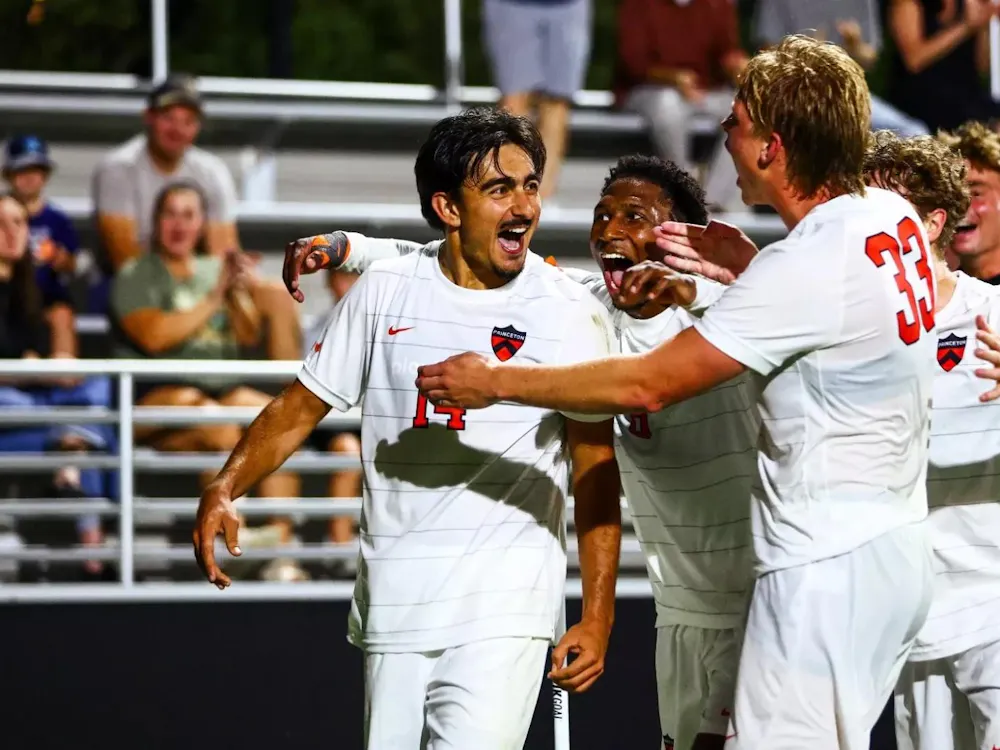
Second-half switch sparks No. 23 men’s soccer in 2–0 win over James Madison
Matthew YiSenior forward Bardia Hormozi scored twice, while senior goalkeeper Andrew Samuels recorded his second consecutive clean sheet.
Senior forward Bardia Hormozi scored twice, while senior goalkeeper Andrew Samuels recorded his second consecutive clean sheet.